Travelers often focus on Copenhagen and miss a network of smaller places that reveal the true character of Denmark. From bustling university cities to sleepy fishing villages, each destination carries a distinct blend of history, design and natural charm. Whether you arrive by train, bike or ferry, the country’s compact size lets you weave several stops into a single weekend without the crowds and price tags of the capital.
Below is a compact guide that highlights ten locations worth a visit. The selections balance literary heritage, Viking archaeology, contemporary art and seaside relaxation, giving you a well-rounded picture of what lies beyond the urban core.
Odense: the city of stories and art
Born in Odense, the world-renowned author Hans Christian Andersen still haunts the town’s cobbled lanes. The fairy-tale atmosphere is palpable inside his dedicated museum, where original sketches and handwritten notes sit alongside interactive exhibits for children. Architect Kengo Kuma’s redesign merges nature with narrative, turning the building into a living illustration. Beyond the literary vibe, the city’s harbour district hosts the Nordatlantisk Hus, a venue for contemporary North Atlantic art, while the former warehouse Storms Pakhus buzzes with food stalls offering Danish-style open-air cuisine.
Aarhus: museum capital and coffee culture
Often described as Denmark’s second-largest city, Aarhus concentrates world-class museums within a walkable centre. The ARoS Aarhus Kunstmuseum dominates the skyline with its rainbow-coloured glass walkway, a work by Olafur Eliasson that offers panoramic views of the city and the sea. Inside, nine floors display art ranging from the Danish Golden Age to cutting-edge installations. A stroll down the historic Møllestien lane reveals rows of pastel-painted houses draped with blooming hollyhocks, while the Latin Quarter invites coffee lovers to sample expertly brewed beans in stylish cafés.
Roskilde and Ribe: Viking roots and medieval mysteries
Roskilde once served as a Viking trading hub and later as the kingdom’s capital. Its Viking Ship Museum shelters five original longships, each reconstructed to demonstrate the maritime technology that once linked Scandinavia to distant coasts. A short walk brings you to the modern cultural quarter, where the Ragnarock venue hosts concerts that echo the city’s youthful energy. Nearby, the Roskilde Festival draws global music fans each summer, transforming the town into a temporary metropolis of stages and camping grounds. Further south, Ribe claims the title of Denmark’s oldest settlement. Its medieval brick cathedral towers above narrow, cobbled streets, while the HEX! Museum of Witchcraft explores the town’s notorious witch-trial past through immersive installations. Evening tours led by the historic Nightwatchman revive centuries-old law-enforcement rituals, adding a theatrical touch to the town’s quiet charm.
Skagen and Aalborg: coastal light and revitalised waterfront
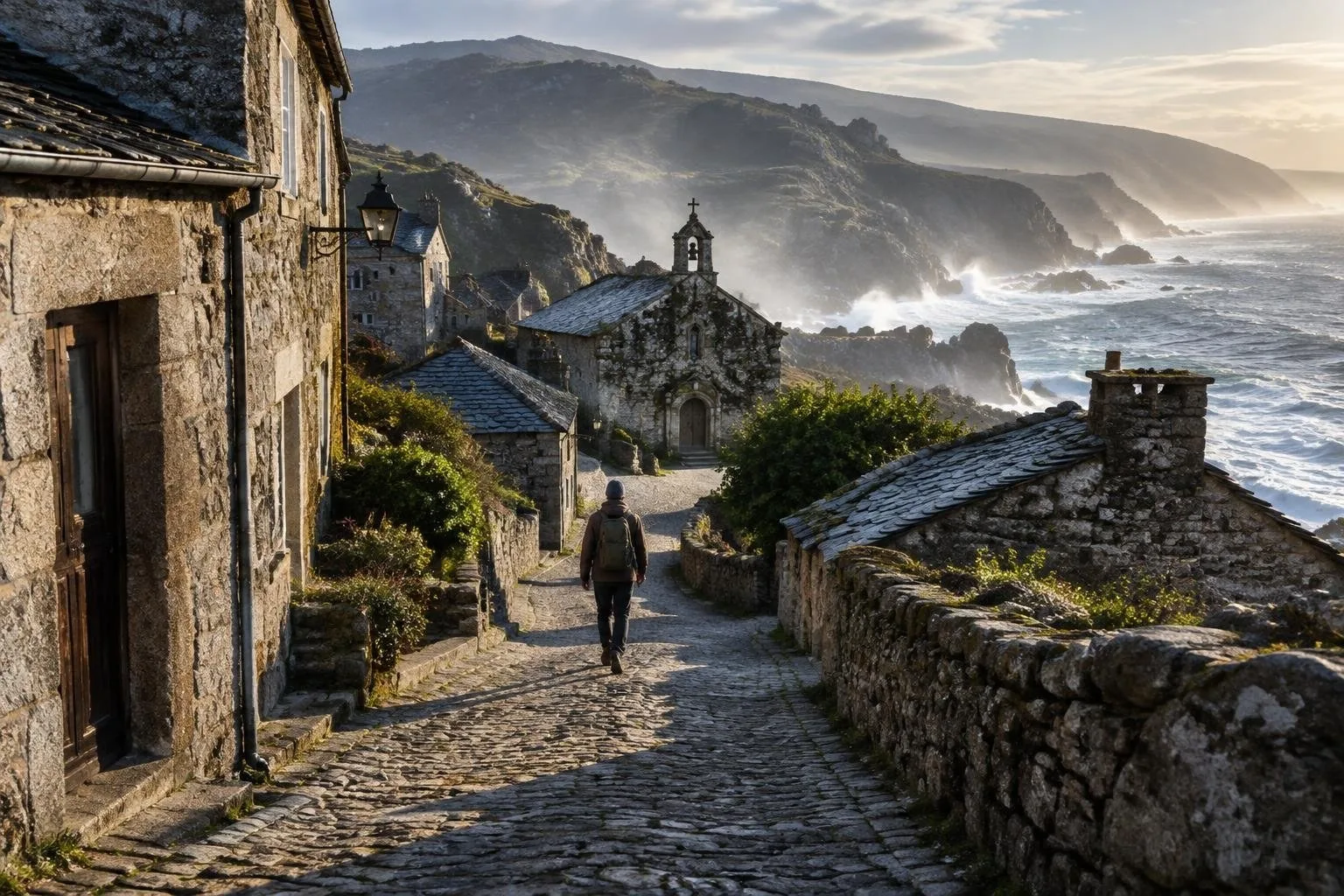
At the country’s northern tip, Skagen sits where the North Sea meets the Baltic. The unique convergence creates a special quality of light that attracted the 19th-century Skagen Painters, whose works now fill the Skagen Museum. Visitors can wander white-sand beaches, photograph the iconic yellow fishermen’s huts, and trek the surrounding dunes that stretch for miles. In contrast, Aalborg lies on the Limfjord’s narrow channel, where former industrial sites have been reborn as cultural hotspots. The Utzon Centre, designed by the architect of the Sydney Opera House, showcases experiments in sustainable design, while the former power station Nordkraft now houses a cinema, climbing wall and performance spaces, proving that heritage can coexist with modern recreation.
Copenhagen: sustainable capital worth a bike ride
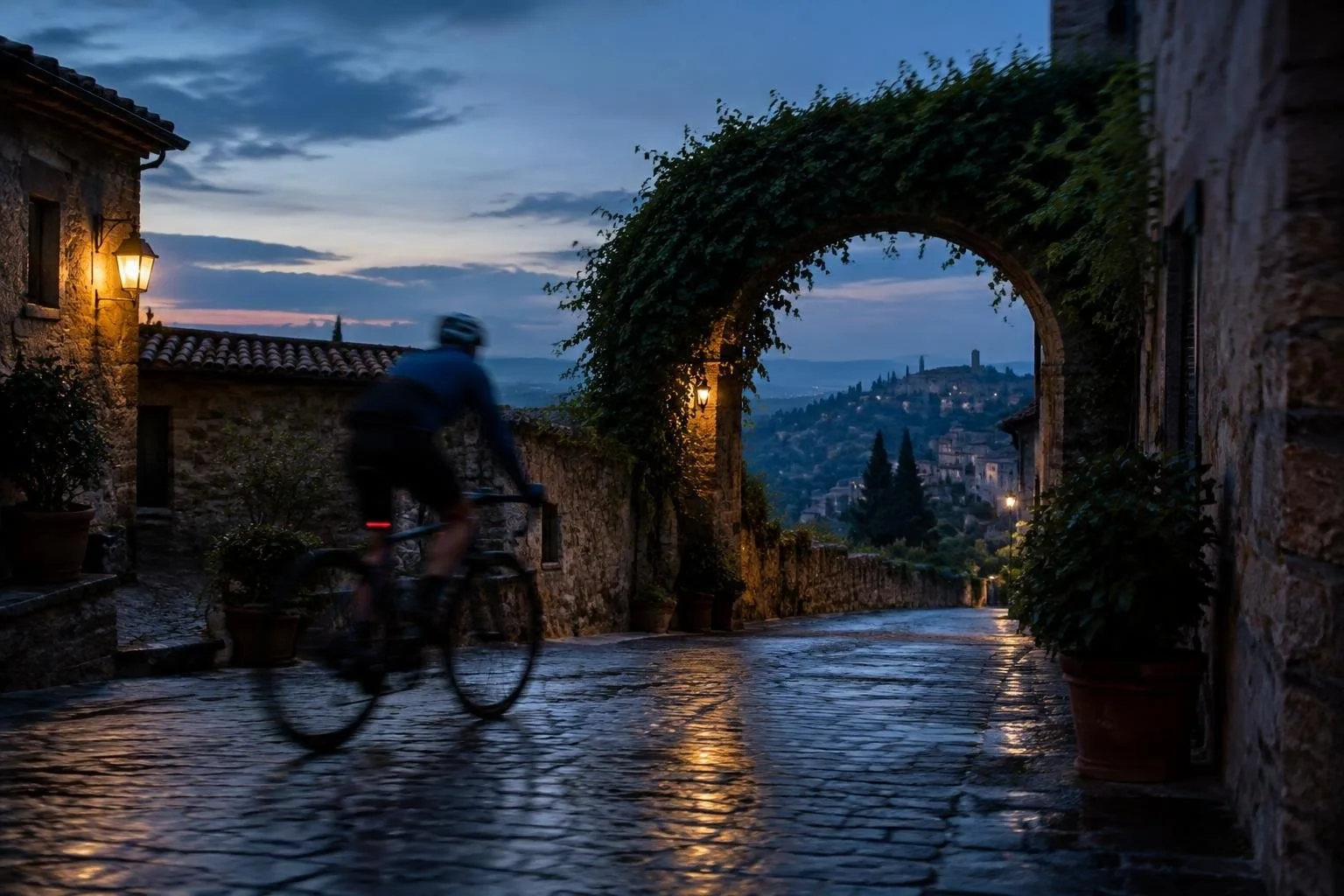
The capital remains a showcase of eco-friendly urban living. Riding a rental bike through Nyhavn lets you admire pastel-coloured harbour houses while the scent of fresh seafood drifts from nearby cafés. The royal jewels of Rosenborg Castle sparkle beside the king’s historic apartments, and the newly opened Kastrup Sea Bath offers a refreshing dip in a design-forward setting. Food enthusiasts gravitate toward Reffen, a sprawling market built on a former shipyard, where local producers serve everything from gourmet burgers to plant-based smørrebrød. The city’s Copenpay programme even rewards visitors who choose sustainable transport with free bike rentals, yoga sessions and guided tours, turning green actions into tangible benefits.
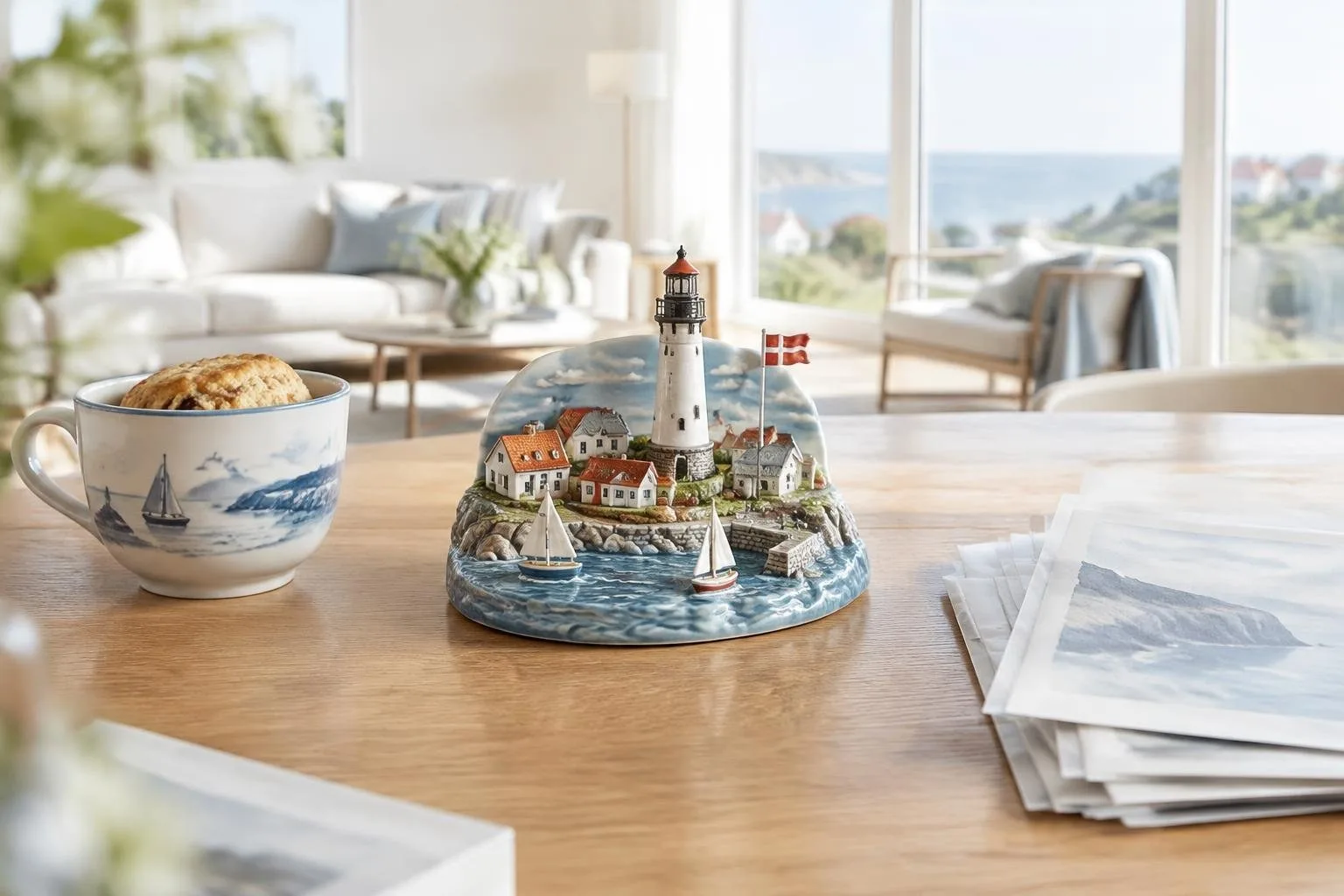
Combine any three of these locations for a compact Small trip that captures Denmark’s literary charm, Viking legacy and coastal serenity. Whether you prefer museum visits, beach walks or tasting regional specialties, the country’s well-connected rail and bus network makes each itinerary effortless.