
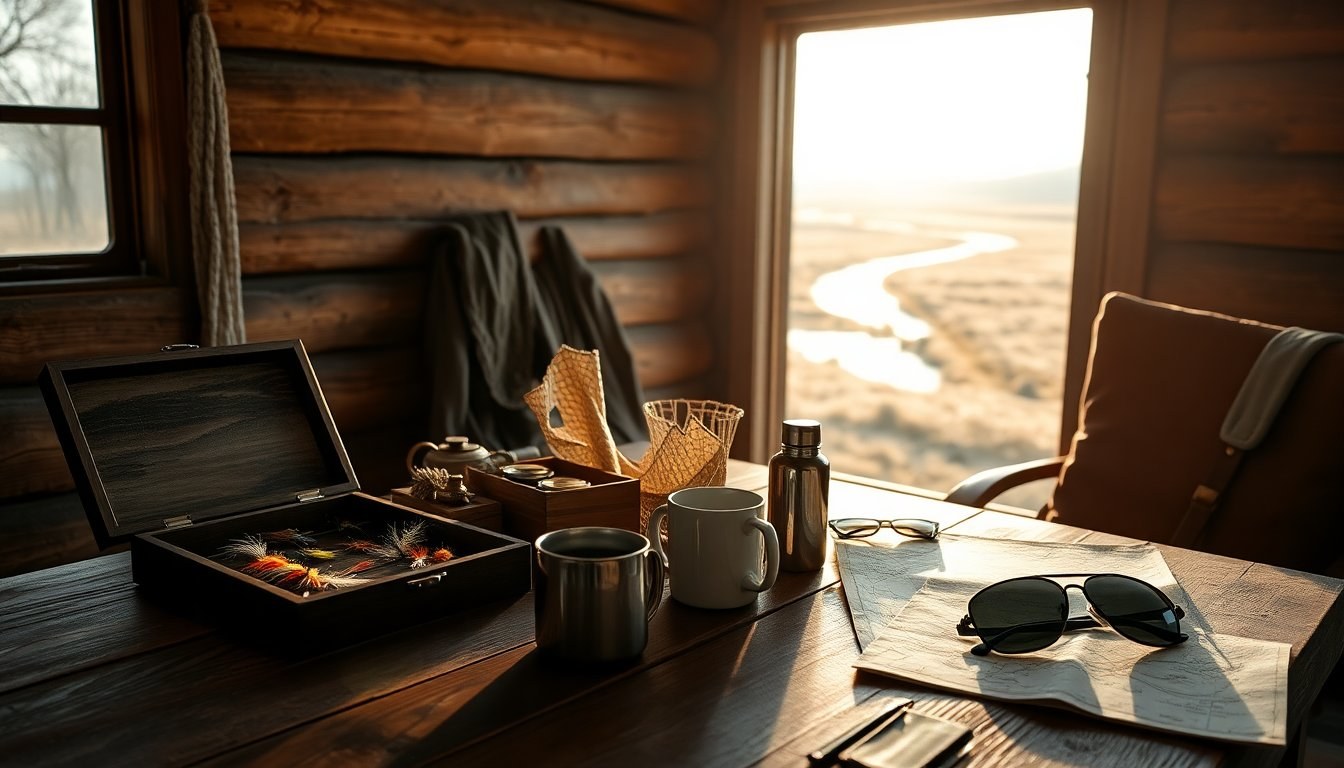
The idea of fly fishing in Patagonia often evokes well-known lakes and famous runs, but there is a quieter corner that many anglers still haven’t seen. This article distills a conversation from the Destination Angler Podcast with host Steve Haigh and two on-the-ground experts: Luciano “Lucho” Alba, founder of Dream Waters Angling and operator of six lodges across Argentina, and Fernando Beltran, the head guide whose training as an agricultural engineer turned into a life guiding trout. Together they describe a week spent at Estancia Chochoy Mallin, a working ranch in Northern Patagonia where rivers run uncrowded and hospitality feels like a native element of the place. This introduction outlines why that remoteness matters to modern anglers and why the episode is worth a listen.
Why Northern Patagonia still feels like a secret
Northern Patagonia covers a vast and varied terrain that includes alpine basins, river networks, and volcanic valleys. On the podcast, Lucho summarizes the region’s scope and how it differs from more famous southern venues: here you can find spring creeks that sip through ranch property, hidden tributaries that resemble old-world trout water, and stretches of river with almost no angling pressure. The lack of crowds means the experience emphasizes solitude and discovery rather than competition. For many anglers the appeal isn’t only the size of the trout but the rhythms of fishing that reward careful observation—matching hatches, reading pockets, and adapting to water that behaves more naturally because it has not been fished relentlessly.
Landscape and solitude
The valleys around Estancia Chochoy Mallin are accessed by long dirt roads and guarded by distant ridgelines, so the first impression is often silence broken by running water and hooves. Gauchos still move cattle across slopes and the estancia operates as a working ranch, which gives anglers a sense of immersion in local life rather than a staged tourism product. Days commonly pass without sighting another angler, and that absence of traffic creates fishing where trout act like wild fish—quick to respond to a presenting fly and less conditioned to artificial presentations. For anyone used to busy western rivers, this calmness is restorative and keeps each rising fish a small revelation.
Techniques and trout behavior you’ll encounter
Guides at Chochoy Mallin present a wide toolkit: from delicate dries on glassy tails to large surface patterns in pocket water and short, effective streamer work in shaded runs. Fernando emphasizes that the trout here are unpressured, which means their responses differ from fish in heavily fished systems. Expect to change flies frequently, to experiment with micro streamers and Euro nymphing, and to get rewarded for accurate presentation rather than sheer repetition. One memorable approach described on the podcast was fishing from horseback to reach tiny, trout-full spring streams—an old-fashioned method that yields both access and striking visual fights when rainbows take a small, well-tied fly in shallow water.
Memorable patterns and tactics
Among the tactics Fernando recommends are large terrestrials when trout are aggressive in pocket water and tiny, subtle streamers when fish are keyed into submerged movement. The guides also prepare lanes and approaches to protect the water and limit disturbance, preserving the natural behavior of the fish. These practices produce high-quality hookups and long, spirited runs from both rainbows and browns, and they underscore a guiding philosophy that prizes sustainable angling. The technical elements—accurate casting, stealth, and fly selection—remain essential, but the results feel more generous when the trout are not pressured by constant angling.
Staying at an estancia: culture, food, and community
Fishing is only one part of the story at a working ranch like Chochoy Mallin. The estancia life anchors the trip: guests arrive to simple but comfortable lodging, early morning departures on horses or by truck, and evenings gathered around long tables. The cultural highlight is the asado, which the guides describe as more than a meal—an event that fuses local identity, technique, and hospitality. Large cuts of meat and whole goat or lamb are cooked over open flame while conversation flows and wine is passed. The hospitality here is unforced; it grows from a tradition where welcoming strangers is a daily practice, and that authenticity colors every interaction, from watching branding to sharing stories after a long day on the water.
Why this trip lingers
People return from Chochoy Mallin not only with photos and trout stories but with impressions of a landscape that still feels principally owned by the land. The combination of remote water, thoughtful guiding from people like Fernando, and the stewardship and vision of operators such as Lucho creates an experience that many anglers call transformative. Whether you are drawn to the technical side of fly presentation or to cultural immersion and slow, shared evenings, Northern Patagonia offers rewards on multiple levels and remains a region worth putting on the list for intentional travelers.
To hear these stories in their original voices, listen to the full Destination Angler Podcast episode featuring Lucho Alba and Fernando Beltran. They unpack regional differences across Patagonia, explain why micro streamers work so well in certain runs, and describe how an estancia trip in Northern Patagonia blends wild trout, quiet rivers, and enduring hospitality into a lasting memory.


