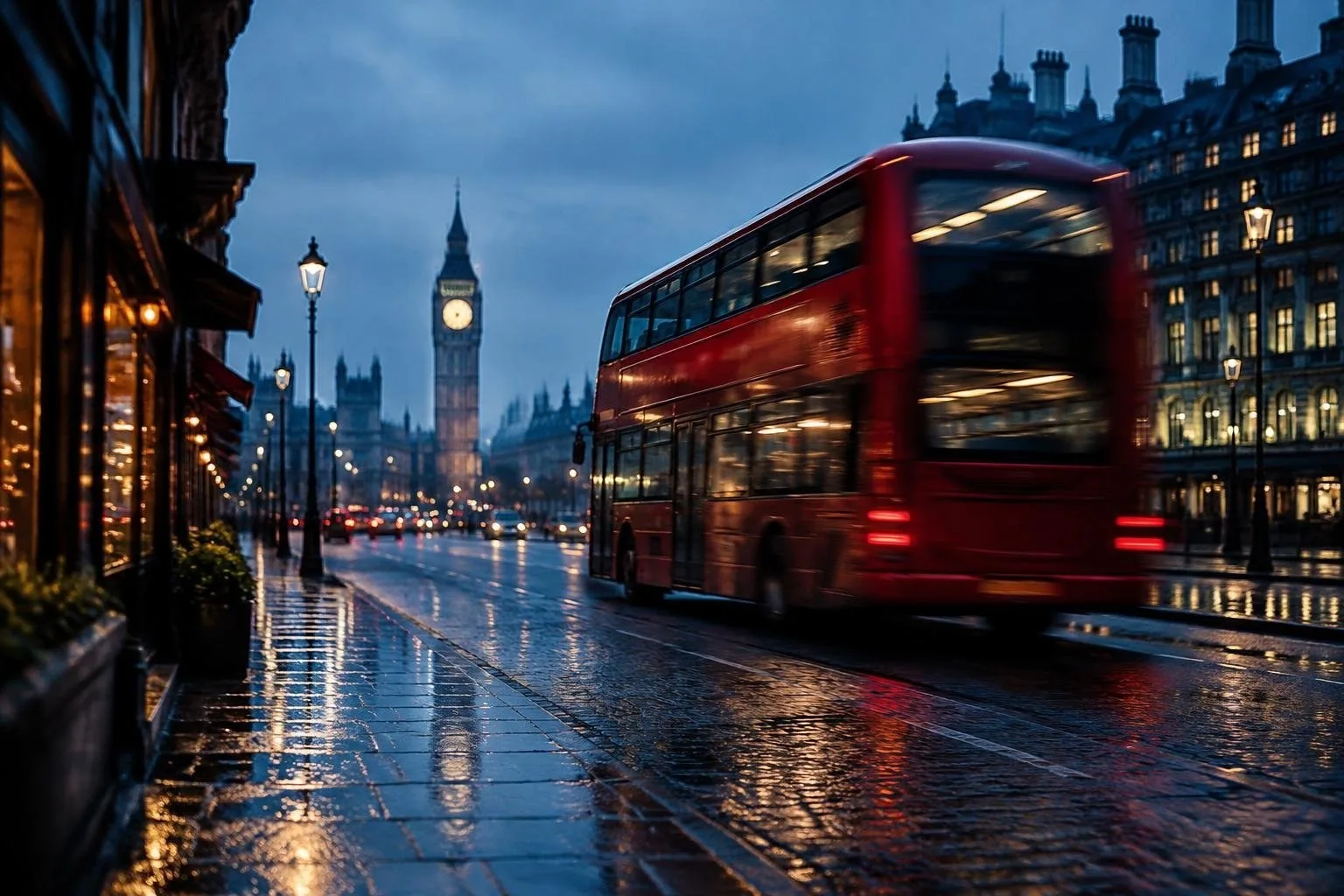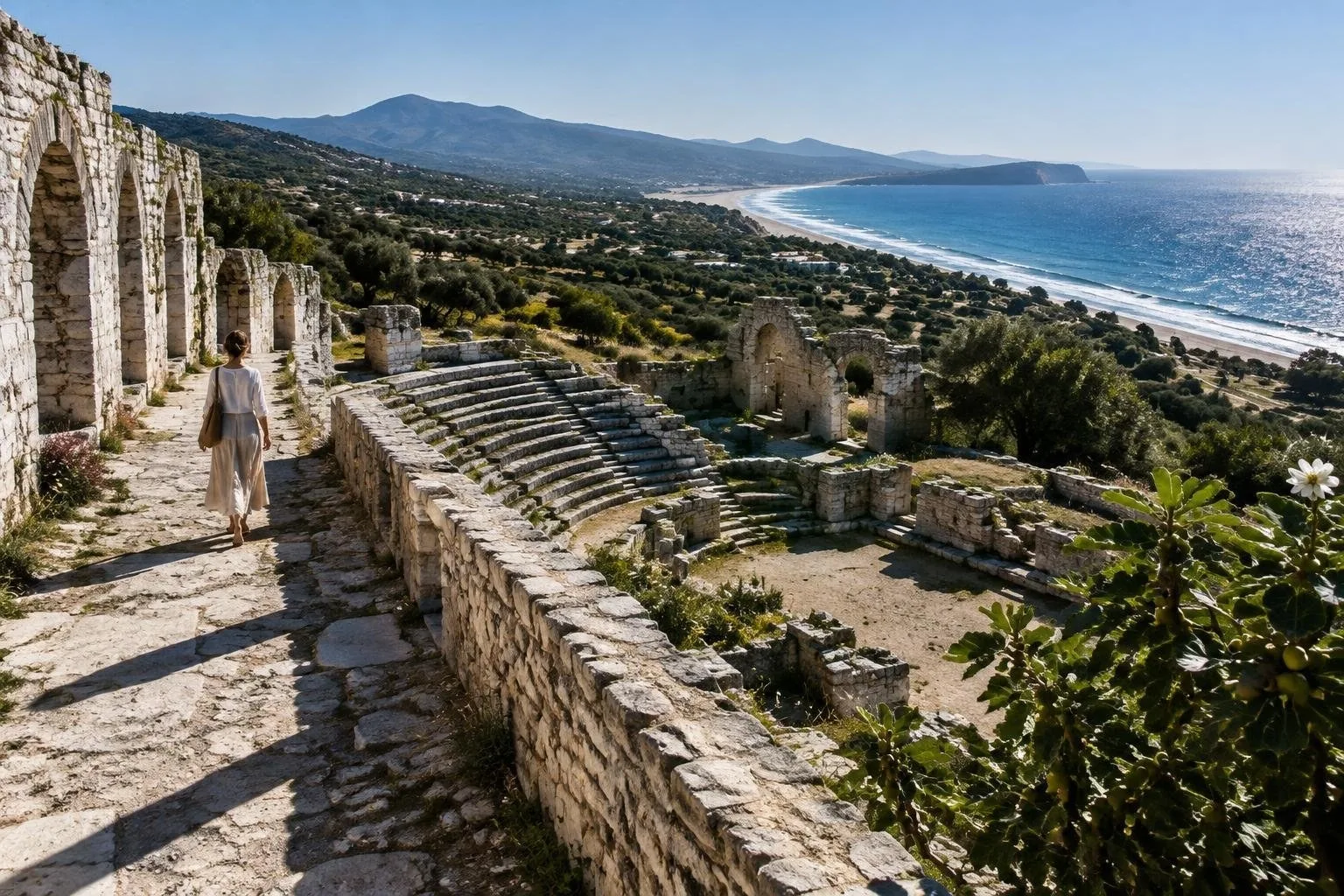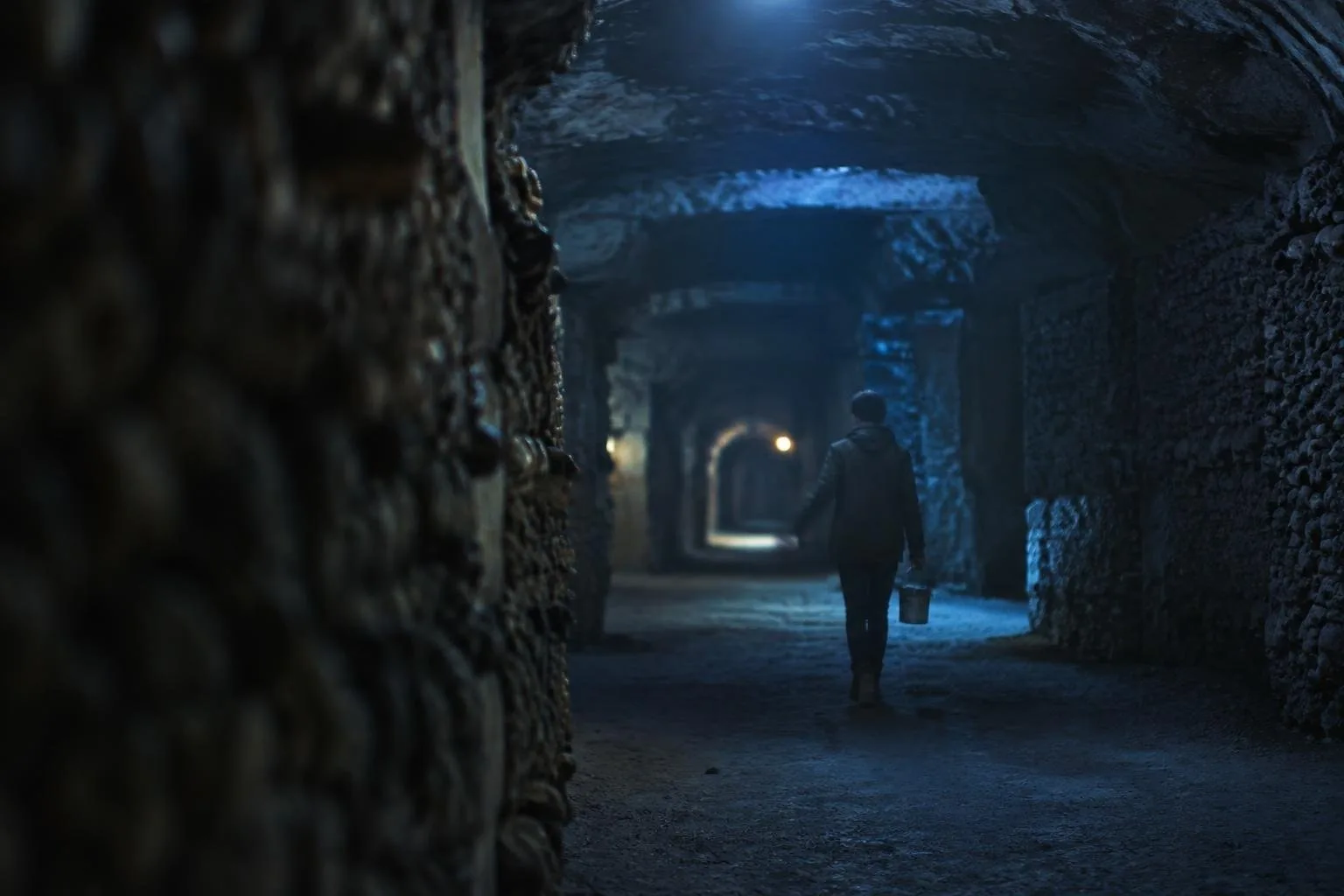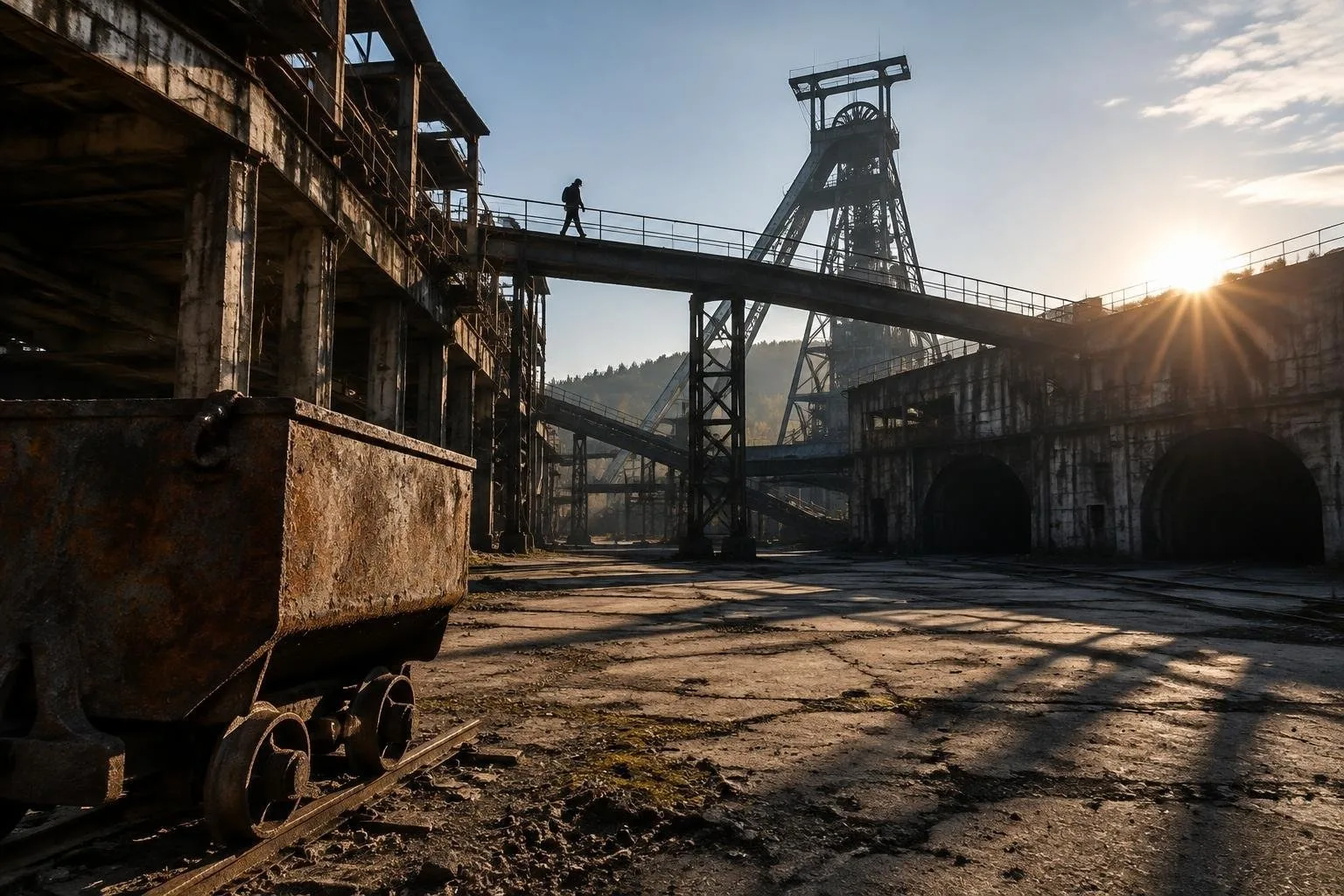
It is rare for a science fiction production to rely so heavily on physical sets rather than digital effects. Blade Runner 2099, the limited series arriving on Prime Video on November 25, 2026, distinguishes itself by shooting almost entirely on location. The production team transformed industrial sites in Northern Europe, ancient thermal baths, quarries, and sun-drenched coastal areas into the post-apocalyptic Los Angeles of the future. This approach offers a tangible texture that CGI often lacks, grounding the speculative narrative in real-world geography.
Prague and the Czech Republic: Industrial Decay and Historic Streets
The heart of the series’ visual identity lies in the Czech Republic. While studio scenes were filmed at the famous Barrandov Studios in Prague (replacing the originally planned Belfast Harbour Studios), much of the action takes place in the city’s streets and surrounding regions. The production utilized the area around the central train station and the adjacent Vrchlického Sady park. This small green space is known for its controversial statue celebrating the liberation from Nazism by the Red Army, adding a layer of historical weight to the fictional setting.
In the Karlín district, former industrial buildings in Art Nouveau style have been converted into trendy venues. Some scenes were captured near the Žižkov tunnel, a pedestrian passage built in the 1950s as an atomic shelter. Today, locals and tourists walk or cycle through it daily. Visitors will notice the word “Neboj” painted at the Karlín entrance, which translates to “Non aver paura” or “Do not be afraid.” Additional Prague locations reportedly include the residential neighborhoods of Strahov and Bubeneč, as well as the historic KOH-I-NOOR factory, currently undergoing redevelopment that includes hosting international film productions.
Bohemian Landscapes: Mines and Power Plants
To achieve the specific aesthetic of a world reclaimed by nature and decay, the crew ventured north into Bohemia. In Jablonec nad Nisou, a center historically famous for glass and jewelry manufacturing, scenes were shot at the old municipal thermal bath. The building has been abandoned for years, offering the eerie charm typical of urban exploration photography.
Similarly, the former coal mine in Vinařice served as a set. Active until the mid-1990s, it is now the Mayrau Mining Museum, preserving machinery and galleries exactly as they appeared on the last day of operation. Other key industrial landmarks visible in the series include the massive power plant complex in Mělník, which supplies energy to Prague, and the flooded quarries of Borek and Homolák.
Catalonia: Coastal Silos and Thermal Chimneys
The Spanish segment of the shoot focused on Catalonia, leveraging both its stunning coastlines and its robust industrial architecture. The majority of maritime scenes, particularly those involving piers and docks, were filmed at Platja de les Salines in Cubelles. This semi-urban beach on the Costa del Garraf features fine sand and family-friendly facilities, but it was likely the presence of an old thermoelectric power plant nearby that appealed to the directors seeking a post-apocalyptic atmosphere.
At the port of Tarragona, a major hub for cruise ships and commercial trade, the camera captured images dominated by large concrete silos. Further along the coast, in Sant Adrià de Besòs, the production centered on the area of a former thermoelectric plant. Its three iconic chimneys are protected as a Local Cultural Heritage site. The region also provided settings near Sant Feliu de Llobregat, using a cement factory in an area experiencing significant socio-cultural renewal.
Barcelona’s Urban Backdrop
While exact details remain scarce, the Barcelona metropolitan area was also part of the filming schedule. It is plausible that the location managers focused on structures made of iron and glass, remnants of the Industrial Revolution that defined the city’s expansion. These architectural elements align perfectly with the series’ narrative needs, blending residential zones and outskirts with the gritty, high-tech aesthetic of the franchise.
For fans planning a visit, these locations offer a unique way to experience the show’s world. Travelers can explore the Žižkov tunnel in Prague or the beaches of Cubelles in Spain, noting that many of these sites, like the Vinařice museum or the KOH-I-NOOR factory, are accessible public spaces or cultural heritage sites. Checking local opening hours before visiting the industrial museums and parks is advisable, as access to some active industrial zones may be restricted.