Just south of the famous Amalfi Coast lies the Cilento Coast, a coastal subregion in the province of Salerno that remains one of Italy’s most overlooked gems. While tourists flock to the pastel cliffside villages of the Amalfi, Cilento offers a pace that allows visitors to breathe. This area provides untouched beaches, centuries of history, and exceptional Mediterranean food. For those looking to experience it all, new tour options cater specifically to solo travelers, combining expert local guides with fellow explorers.
A Laid-Back Neighbor to the Amalfi Coast
The Cilento Coast runs from Paestum down to Sapri, with much of its territory wrapped in the UNESCO-listed Cilento and Vallo di Diano national park. Unlike the compact Amalfi Coast, Cilento covers a broader swathe and has stayed refreshingly low-key. The landscape features hills, forests, and medieval villages, making it less developed and more rugged. Despite these differences, both regions share the magic of Tyrrhenian Sea views and fresh flavors.
Seven Reasons to Add Cilento to Your Bucket List
1. Protected Landscapes: The national park packs waterfalls, mountains, and sea into one stretch. Visitors can hike through hills and swim in the Tyrrhenian in the same day. Tours often include visits to producers like Santomiele, where artisans hand-process white figs while offering views of the park.
2. Beauty Without Crowds: Southern Italy’s postcard scenery here comes without the masses. Many beaches have earned Blue Flag recognition for their quality, and villages feel lived-in and authentic. Spending four nights on the coast allows time to go beyond a quick day trip.
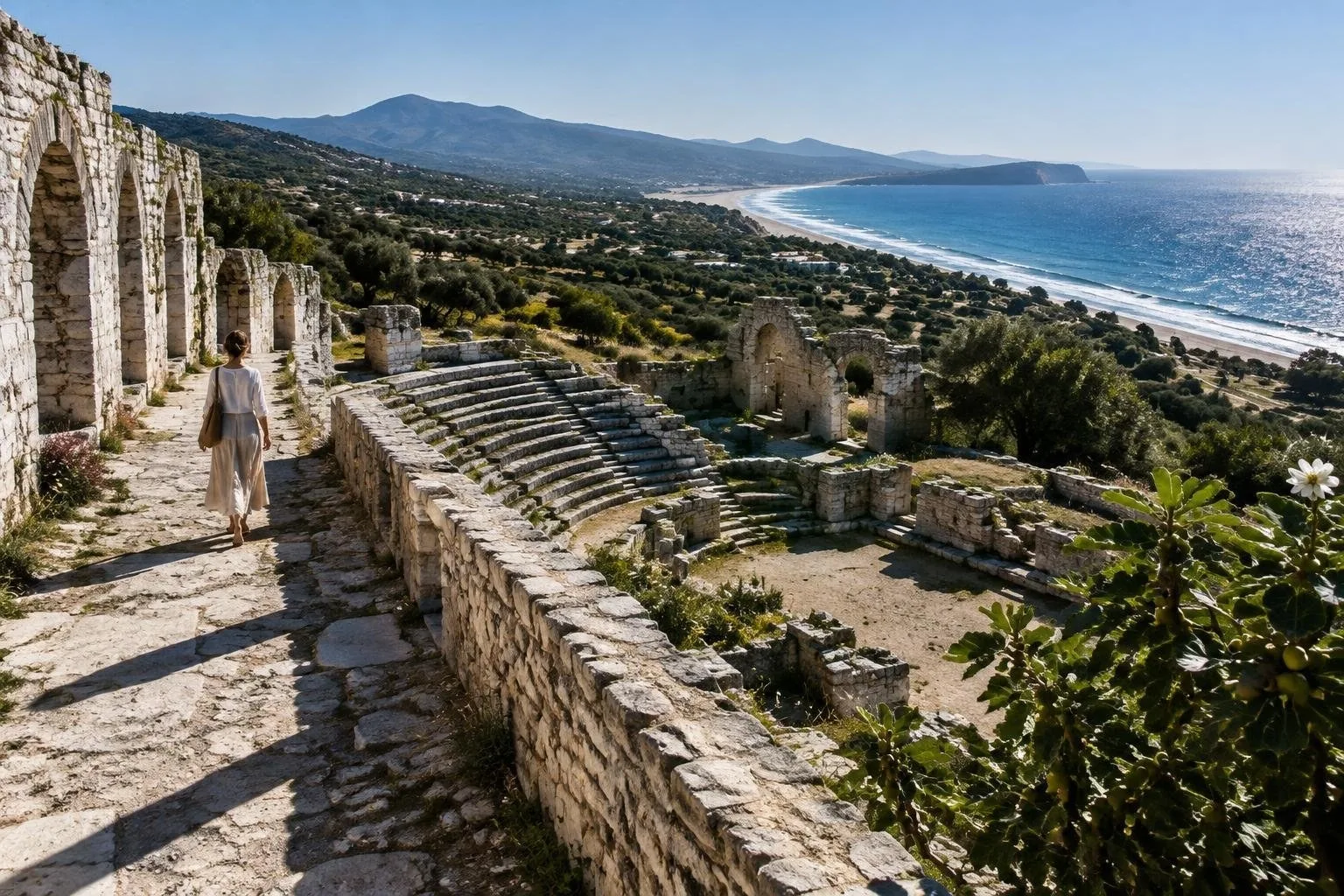
3. Ancient Greek History: Paestum holds three of the best-preserved Greek temples in the world, with the oldest dating to around 550 B.C. Formerly known as Poseidonia, this site was part of Magna Graecia. Guided visits help bring stories alive, including glimpses of the Tomb of the Diver.
4. A Food Lover’s Dream: The region digs into the origins of the Mediterranean diet. Expect extra-virgin olive oil, fresh seafood, local veggies, and mountain cheeses. Optional cooking classes allow travelers to learn directly from local sources.
5. Authentic Buffalo Mozzarella: Campania’s buffalo mozzarella is legendary. At farms like Tenuta Vannulo, skilled workers spin and stretch fresh mozzarella by hand. Tasting cheese straight from the source changes how supermarket versions will ever taste.
6. Famous White Figs: These fruits have thrived in the region since 600 B.C. and hold protected DOP status. They have even graced the table of Queen Elizabeth II. Visits to producers show sustainable approaches and hand-processing techniques.
7. An Authentic Side of Italy: Cilento is where locals holiday. Medieval towns like Castellabate and Trentinara invite slow wandering. Hospitality feels personal, with guides sharing their home turf and farmers welcoming visitors into workshops.
Best Times to Visit
Spring (March-May) offers warm temps and wildflowers, though some boat connections start in April. Summer (June-August) brings hot days and peak beach weather but also higher crowds and costs. Fall (September-November) keeps the sea warm and features harvest seasons for figs, olives, and grapes, though rain increases in October. Winter (December-February) is quiet and mild but includes shorter days and seasonal closures. Boat transfers on specific tours run from April through October.
To make the most of your visit, consider joining a structured tour designed for solo travelers. These itineraries typically include stays in key areas like the Cilento Coast, allowing you to walk among Greek temples, watch mozzarella production, and taste local specialties with ease. With expert guidance, the only thing left to plan is what to eat next.