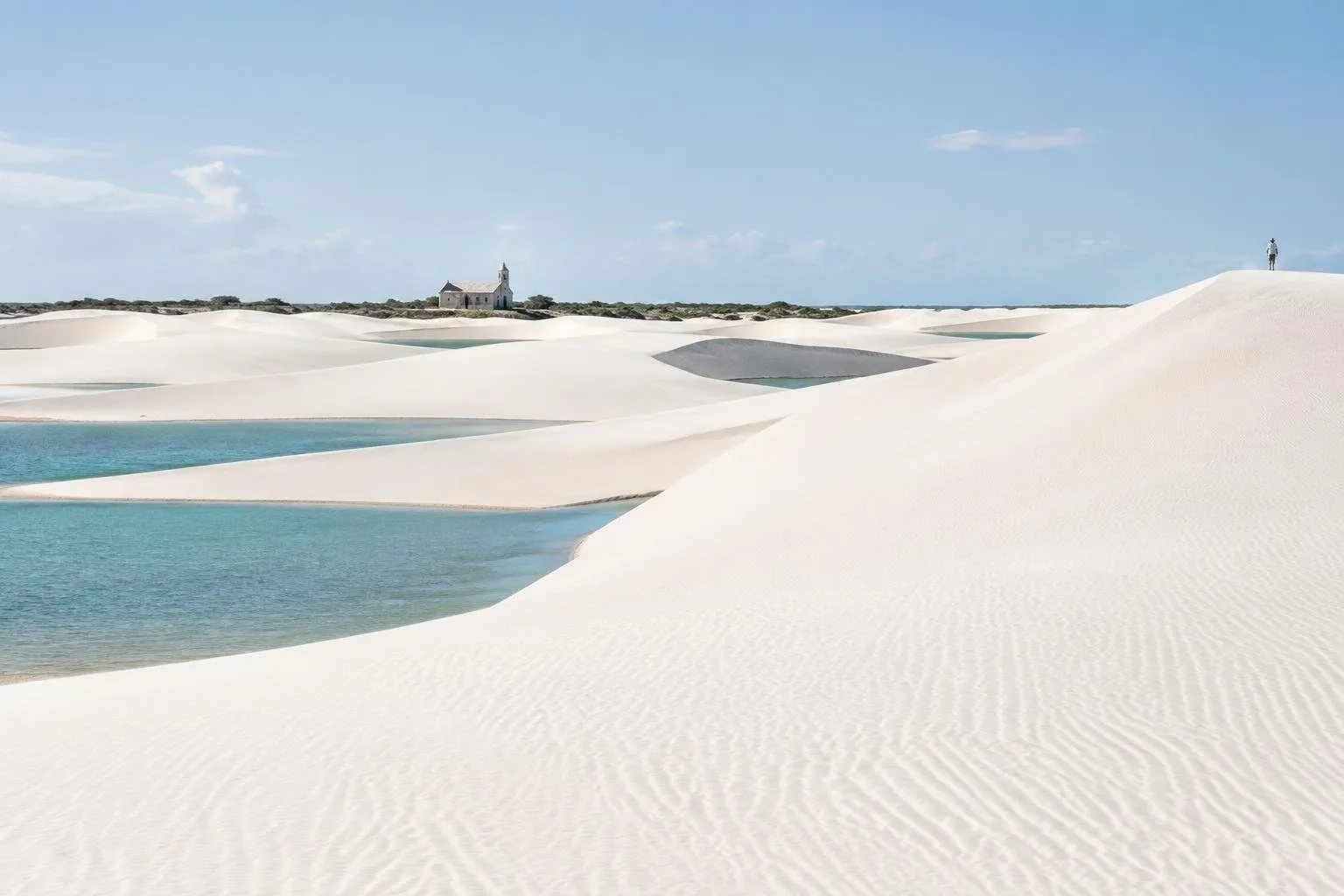
Spanning an entire continent, Australia delivers a spectrum of experiences that can overwhelm even seasoned wanderers. Whether you crave sun-kissed beaches, ancient rainforests, vast outbacks or buzzing cultural hubs, the country has a slot for every mood. This guide condenses the most compelling locations across the nation, offers seasonal advice, and suggests realistic time frames so you can plan a stress-free adventure.
Queensland – sun, sea and world-class wildlife
The Whitsunday archipelago
The Whitsundays are a string of 74 islands lying off Queensland’s north-east coast, adjacent to the Great Barrier Reef. Whitehaven Beach’s silica-white sands and the heart-shaped formation of Heart Reef dominate Instagram feeds, but the real draw is the warm 27 °C climate and unhindered access to snorkelling, sailing and scenic flights. Ferries from Airlie Beach or Hamilton Island shuttle visitors, while accommodations range from the luxe InterContinental Hayman to budget-friendly Airlie Beach hostels. September–October yields pleasant weather and the tail-end of whale season.
The Great Barrier Reef
Designated a UNESCO World Heritage site, the Great Barrier Reef remains the planet’s largest coral system. Visitors can embark on glass-bottom cruises, snorkel vibrant fringing reefs, or dive deeper with certified instructors. Launch points include Cairns, Port Douglas and Townsville, each offering a 1.5-to-3-hour boat ride to the reef. May-October provides the driest conditions and comfortable sea temperatures. Remember to use reef-safe sunscreen – a small act that protects the marine ecosystem.
K’gari (Fraser Island)
World-heritage-listed K’gari (formerly Fraser Island) stretches 123 km, making it the globe’s largest sand island. Its 4WD-friendly tracks lead to iconic spots such as the perched Lake McKenzie, ancient rainforests, and a colony of pure-bred dingoes. A 50-minute ferry from Hervey Bay lands you on the island, where resorts like Kingfisher Bay blend comfort with the chance to truly unplug. Spring (September–November) offers warm days without the summer crowds.
Northern Territory – the red heart of Australia
Uluṟu and Kata Tjuṯa
Uluṟu dominates the horizon of the Red Centre, a sacred monolith for the Anangu people. Visitors walk the base trail, hear ancient stories from Indigenous guides, and witness dramatic sunsets. A short drive brings you to Kata Tjuṯa (The Olgas), another striking rock formation steeped in spiritual meaning. Flights from Sydney, Melbourne, Brisbane, Cairns and Alice Springs land nearby, and luxury stays such as Longitude 131 or Sails in the Desert provide immersive desert luxury. The dry season (May–September) guarantees comfortable daytime highs of 20-30 °C.
Kakadu National Park
Just two hours north of Darwin, Kakadu spans more than 20 000 km² of wetlands, waterfalls and rock art. The park’s 200-metre Jim Jim Falls and the crystal pool at Gunlom are must-sees. A self-driven itinerary allows you to explore 30+ walking tracks at your own pace. The dry months (May–September) open most sites, cool temperatures, and spectacular sunrise views from Nawurlandja Lookout.
Western Australia – coastline, isolation and colour
Rottnest Island
A 30-minute ferry from Fremantle drops you onto Rottnest Island, famed for its friendly quokkas and turquoise bays. The island’s 11-km coastline is perfect for cycling, snorkeling or casual beach hopping. Accommodations range from boutique lodges like The Lodge Wadjemup to budget campsites. Visiting in spring or autumn helps you avoid the summer crowds that flock to the island’s white sands.
Exmouth and Ningaloo Reef
Exmouth sits beside the 300-km Ningaloo Reef, where coral reaches the shoreline. The highlight is swimming alongside gentle whale sharks during the April-October window. Flights land at Learmonth Airport, followed by a short drive to town. Luxury resorts such as Sal Salis offer reef-front villas, while more modest options exist for backpackers. The peak whale-shark season aligns with the dry months, delivering clear waters and abundant marine life.
Perth and the Margaret River region
Western Australia’s capital, Perth, blends golden beaches, expansive parklands and a burgeoning food scene. Kings Park provides sweeping city views, while Cottesloe Beach remains a favorite surf spot. A two-hour drive south lies the Margaret River wine corridor, home to 90+ cellar doors, surf breaks and the dramatic limestone caves of the region. Autumn (March–May) or spring (September–November) deliver mild weather ideal for tasting tours and coastal walks.
New South Wales – iconic coastlines and mountain escapes
Byron Bay
Byron Bay sits on the far north-eastern tip of NSW, offering rolling hinterland, surf-ready beaches and a vibrant café culture. The annual sunrise from Cape Byron Lighthouse draws crowds, while the town’s boutique shops and farmers’ markets showcase local produce. The ideal visiting window is March-May, when the weather is warm yet the summer crowds have faded.
Sydney
Sydney’s harbour, crowned by the Opera House and Harbour Bridge, frames a city of beaches, rooftop bars and extensive bushland trails. A short ferry ride from Circular Quay lands you at Manly, while the nearby Blue Mountains provide dramatic cliffs, waterfalls and the famous Scenic World Skyway. Autumn and spring strike a balance between pleasant temperatures and manageable tourist numbers.
Blue Mountains
The Blue Mountains earn their name from the eucalyptus-generated haze that cloaks the region. Popular activities include wandering the Grand Canyon track, spotting glow-worm-lit caves at Jenolan, and riding the Scenic World Skyway 270 m above the valley. Late spring (October–November) offers dry, warm days perfect for multi-day hikes.
South Australia – wine, wildlife and rugged outback
Flinders Ranges
The Flinders Ranges, a five-hour drive north of Adelaide, showcase ancient red gorges, 550-million-year-old fossils and starlit night skies. Indigenous rock art tells stories dating back millennia. Arkaba Homestead provides upscale outback lodging, while St Mary Peak rewards hikers with panoramic views of Ikara-Wilpena Pound.
Kangaroo Island
Kangaroo Island, known as Karta Pintingga, is a sanctuary for wildlife: sea-lion colonies at Seal Bay, koalas in Flinders Chase and abundant birdlife. A 40-minute flight from Adelaide or a ferry from Cape Jervis brings you to the island’s luxury lodges, such as Southern Ocean Lodge. Summer (December–February) offers warm beach days and bustling food-and-wine experiences.
Barossa Valley
Just an hour north of Adelaide, the Barossa Valley is Australia’s premier red-wine region. Cellar doors from Penfolds to boutique family producers invite tastings, while gourmet restaurants showcase local produce. Autumn harvest (April–May) supplies the perfect backdrop for vineyard tours and restaurant bookings.
Victoria – coastal drama and cultural capital
Great Ocean Road
The Great Ocean Road stretches from Torquay to Warrnambool, hugging cliffs, beaches and rainforests. Highlights include the Twelve Apostles limestone sea stacks, surf towns like Lorne and the rainforest walk at Great Otway National Park. February–April delivers warm weather without the peak summer heat.
Melbourne
Melbourne consistently tops global livability rankings, thanks to its coffee culture, laneway art, and vibrant sporting calendar. The free tram zone makes exploring the city centre effortless, while the National Gallery of Victoria hosts world-class exhibitions. Autumn and spring provide comfortable temperatures for wandering the city’s eclectic neighborhoods.
Daylesford
Renowned for its mineral springs, Daylesford offers spa retreats, farm-to-table restaurants and the picturesque Lake Daylesford. The region’s wineries and the Wombat Hill Botanic Gardens make it a year-round haven for relaxation and culinary indulgence.
Tasmania – wilderness and culinary surprises
Bay of Fires
The east-coast Bay of Fires dazzles with orange-streaked granite boulders, white sand and crystal-clear waters. Camping at Binalong Bay or glamping at the Bay of Fires Bush Retreat lets you soak up sunsets while the summer months (December–April) keep temperatures mild.
Hobart and MONA
Hobart blends historic charm with avant-garde art, anchored by the Museum of Old and New Art (MONA). Nearby, the Mount Wellington summit offers sweeping views, while the Salamanca Market showcases local crafts. Summer (December–February) provides pleasant 20-24 °C temperatures for exploring waterfront eateries and festivals.
Cradle Mountain-Lake St Clair
Cradle Mountain National Park boasts dramatic alpine scenery, with the iconic Dove Lake walk delivering reflections of snow-capped peaks. Summer (December–February) grants the best hiking conditions, while luxury stays at Peppers Cradle Mountain Lodge add comfort after a day on the trails.
Australian Capital Territory – cultural depth in a compact city
Canberra
Australia’s capital, Canberra, has transformed into a cultural hub with boutique hotels in New Acton, the National Portrait Gallery and a thriving food scene. A lakeside stroll around Lake Burley Griffin, a visit to the Australian War Memorial and sunset views from Mount Ainslie round out a relaxed weekend itinerary. September–October aligns with Floriade, the nation’s biggest flower festival.
With a two-week itinerary you can sample three major cities, a reef or island, and a taste of the outback. Extending the trip to three or four weeks unlocks road trips along the west coast, Tasmania’s island-hopping, or the Red Centre’s iconic landmarks. No matter the duration, Australia promises unforgettable moments.