When most travelers picture Brazil, the iconic silhouettes of Rio de Janeiro dominate the imagination. Yet the nation’s coastline, interior wetlands and remote islands host a mosaic of experiences that remain largely unseen by the usual tourist flow. From car-free rainforest retreats to UNESCO-listed dune fields, each region offers a distinct flavor, whether you crave tropical surf, historic towns, or pristine wildlife sanctuaries. This guide strings together six standout locales that collectively illustrate the country’s geographic and cultural breadth, giving you a roadmap for a journey that truly goes beyond the usual postcard images.
Island paradises off the Brazilian coast
Ilha Grande – car-free rainforest island
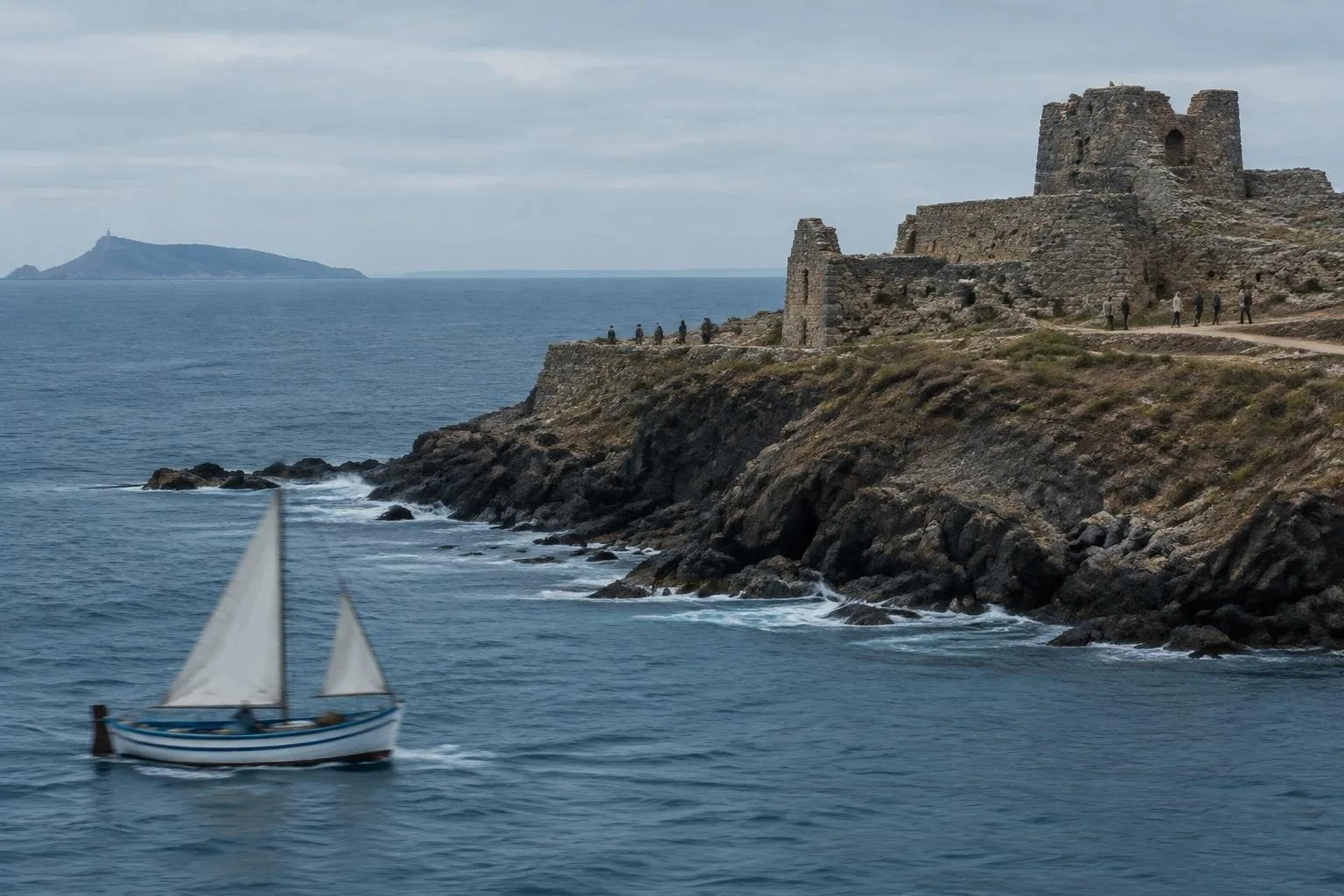
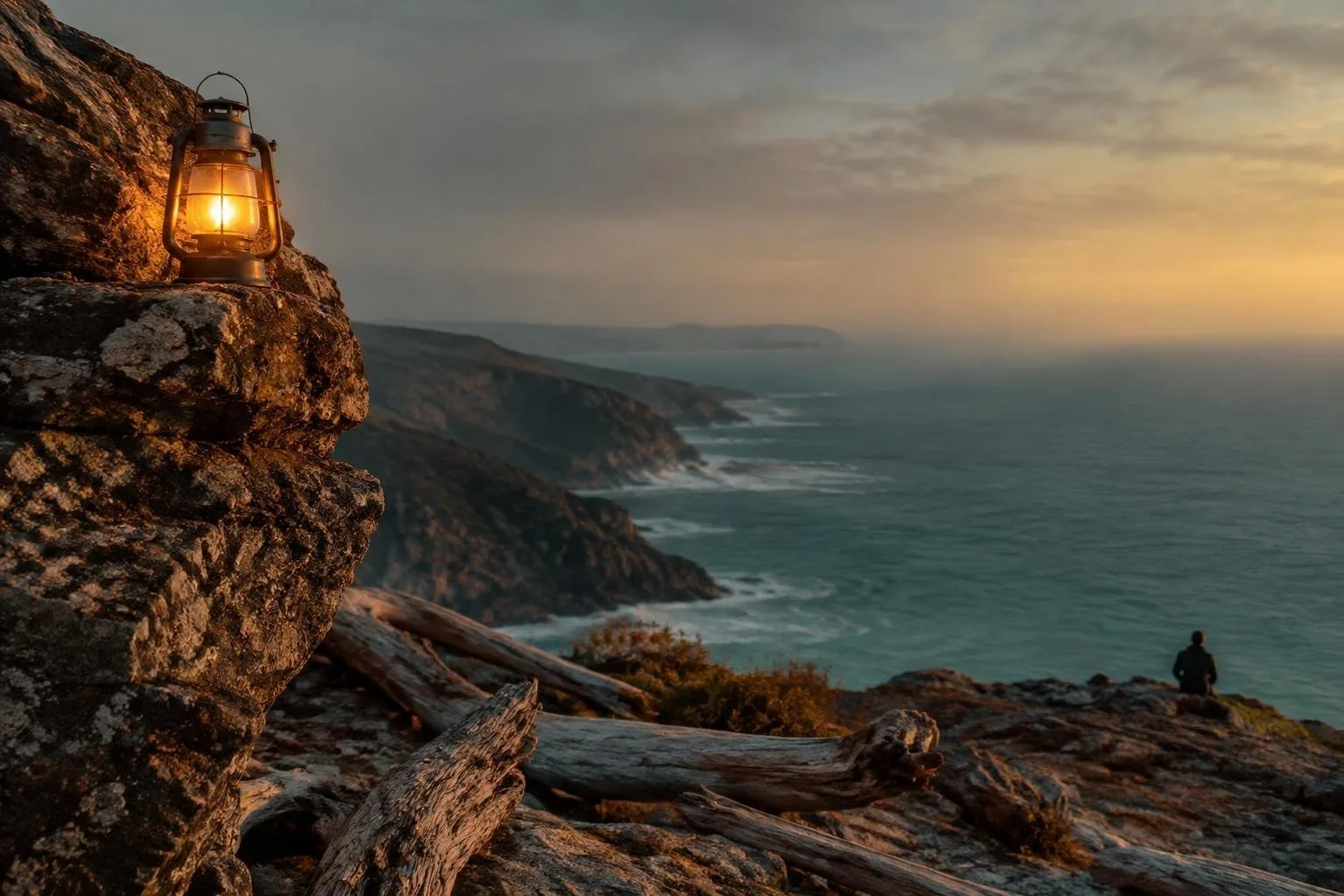
Just a short ferry ride from the Rio state mainland, Ilha Grande feels like an alternate world where motor vehicles are scarce and the ocean’s rhythm dominates daily life. Dense Atlantic-forest trails wind through the interior, linking secluded coves, fishing hamlets and crystal-clear bays. The island’s inclusion in a UNESCO World Heritage landscape ties its natural beauty to the historic town of Paraty, adding a cultural layer to the adventure. Snorkelers repeatedly cite the clarity of the water, while sunset-watchers often prefer a modest sailboat to soak in the fading light over the horizon.
Maceió’s urban beaches
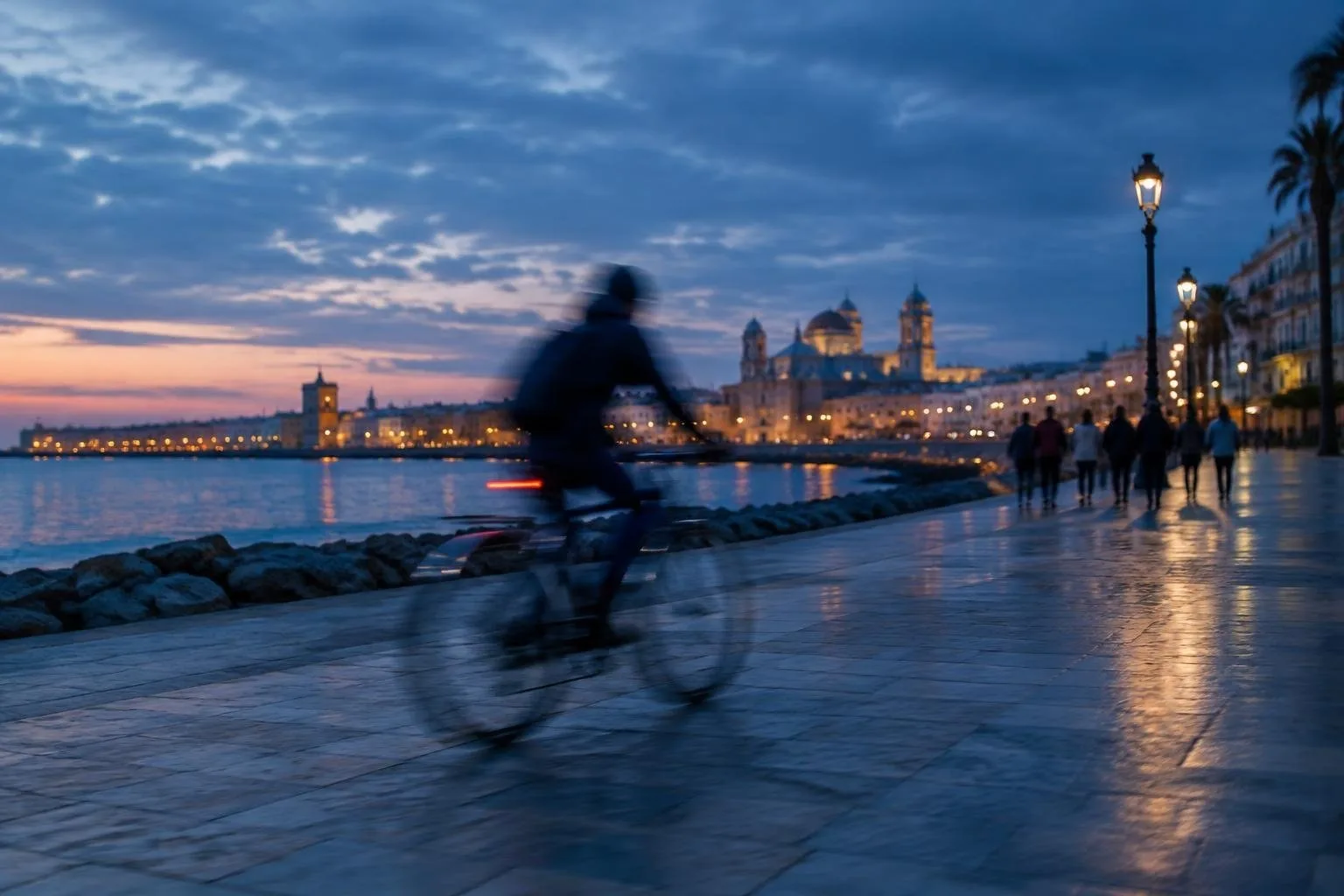
The capital of Alagoas, Maceió, offers a blend of city life and beach relaxation that few other Brazilian ports can match. Pajucara Beach boasts calm, reef-protected waters and natural offshore pools that are reachable by small rafts at low tide. Just a few blocks away, Ponta Verde unfolds into a palm-lined promenade, perfect for cycling or a leisurely stroll while sampling fresh seafood from the kiosks. For those seeking a quieter scene, Praia do Frances presents a dual personality: a sheltered lagoon on one side and surf-ready waves on the other, making it ideal for families and adventure seekers alike.
Fernando de Noronha – remote volcanic archipelago
Floating some 350 km off Brazil’s northeast coast, the volcanic chain of Fernando de Noronha remains one of the nation’s most carefully guarded natural treasures. Strict visitor caps, environmental fees and limited trail access keep the ecosystem largely intact. The islands are a diver’s dream, with abundant dolphins, sea turtles and vibrant reefs, while hardy hikers can explore coastal cliffs that afford sweeping ocean vistas. Because logistics are tighter here, planning ahead is essential, but the payoff is a sense of isolation that’s increasingly rare in popular destinations.
Cultural coasts and inland treasures
Southern Bahia – colonial charm and cacao flavors
From the historic port of Porto Seguro, the Southern Bahia coastline unfolds into a series of picture-perfect villages where colonial architecture meets Afro-Brazilian heritage. In Trancoso, brightly painted houses encircle the iconic Quadrado, while luxury villas nestle discreetly among the dunes. Further along, Caraíva and Praia do Espelho blend Atlantic-forest canopies with pristine sands, creating a tranquil escape for those willing to wander off the main tourist arteries. The region’s cacao legacy shines through in local specialties like “néctar de cacau,” a sweet beverage crafted from the fruit’s pulp rather than its beans, offering a taste distinct from traditional chocolate.
Pantanal & Bonito – wildlife and crystal waters
Heading inland, the Pantanal in Mato Grosso do Sul stands as the world’s largest tropical wetland, a genuine South American safari where jaguars, capybaras and massive caimans roam the floodplains. Guided boat trips allow close encounters with these species in their natural habitats. Neighboring Bonito complements the wildlife experience with its famed crystal rivers, where snorkeling reveals underwater marvels such as the Blue Lake Grotto and cascading waterfalls. The region’s ranching tradition also surfaces on the plate, with generous servings of locally raised beef rounding out each day’s adventure.
Lençóis Maranhenses – dunes and seasonal lagoons
Few landscapes rival the surreal beauty of the Lençóis Maranhenses National Park. After the rainy season, rainwater collects in the valleys between towering white dunes, forming mirrored lagoons that shimmer under the sun. The optimal window to witness this phenomenon runs from June through July, extending into September as the water slowly recedes. Visitors can navigate the park in open-top 4×4 vehicles, Discovering hidden pools for a refreshing dip, or they can book a short aerial tour to appreciate the staggering scale of dunes intersected by turquoise waters.
Espírito Santo – mangroves, pottery and whale watching
The compact state of Espírito Santo punches above its weight with a rich mix of culinary tradition, coastal ecology and historic sites. In Vitória’s Goiabeiras district, women artisans hand-craft black clay pots using a technique recognized by Brazil’s heritage institute; each vessel receives a unique signature and a dash of tannin from red-mangrove bark, giving it a distinctive hue. The city’s mangrove forest, spanning roughly 11 km², offers boat tours that adapt to tidal rhythms, revealing sandbanks at low tide and deeper channels when the water rises. From July to November, humpback whales migrate to the nearby waters for mating, and organized excursions from Vitória and Guarapari provide unforgettable sightings. A short drive south leads to Vila Velha, where the 16th-century Convento da Penha crowns a rocky outcrop, honoring the patron saint of the state.