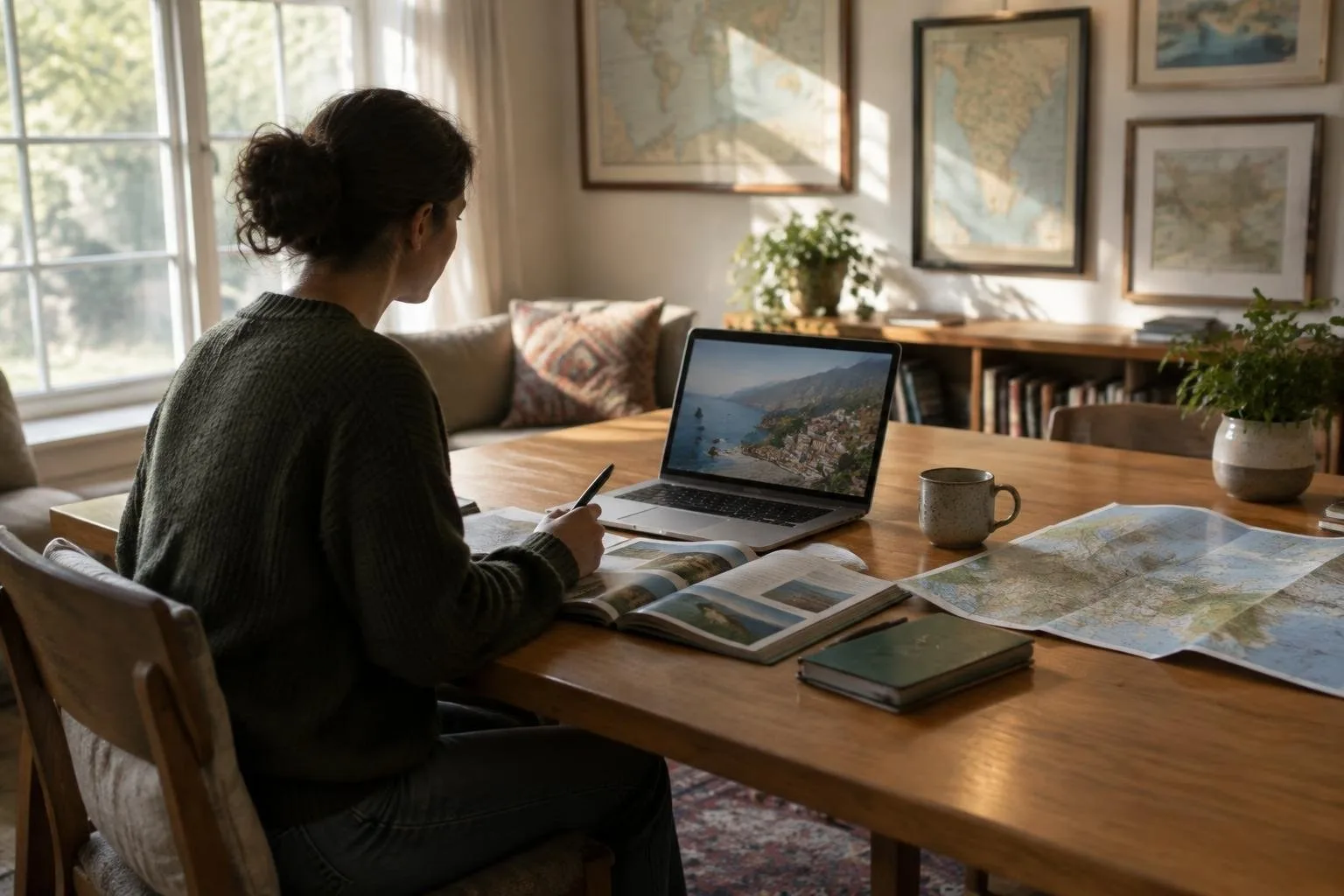
Planning a small trip can be a daunting task, but with a little creativity and organization, it can be a fun and exciting experience. To start, consider the length of your trip and the activities you want to do. A 3-day trip is a great amount of time to explore a new place without feeling rushed.
When planning your trip, think about the daily themes you want to focus on. For example, you could have a history day where you visit museums and historical landmarks, a nature day where you go hiking or explore local parks, and a culture day where you visit local markets and try traditional foods.
Daily Itinerary
Once you have your daily themes, you can start planning your itinerary. Consider the travel time between each activity and leave some extra time for spontaneity and flexibility. You can use a printable template to help you stay organized and on track.
A sample itinerary could include:
- Day 1: History day – visit the local museum, explore the historic district, and try some traditional cuisine
- Day 2: Nature day – go hiking, visit a local park, and have a picnic lunch
- Day 3: Culture day – visit the local market, try some street food, and explore the city’s vibrant neighborhoods
Budget Tracking
Another important aspect of planning a small trip is tracking your budget. Consider the cost of transportation, accommodation, food, and activities, and make sure to leave some extra money for unexpected expenses. You can use a budget tracker to help you stay on top of your spending.
A sample budget could include:
- Transportation: $100
- Accommodation: $200
- Food: $150
- Activities: $100
- Total: $550
Example Packing List
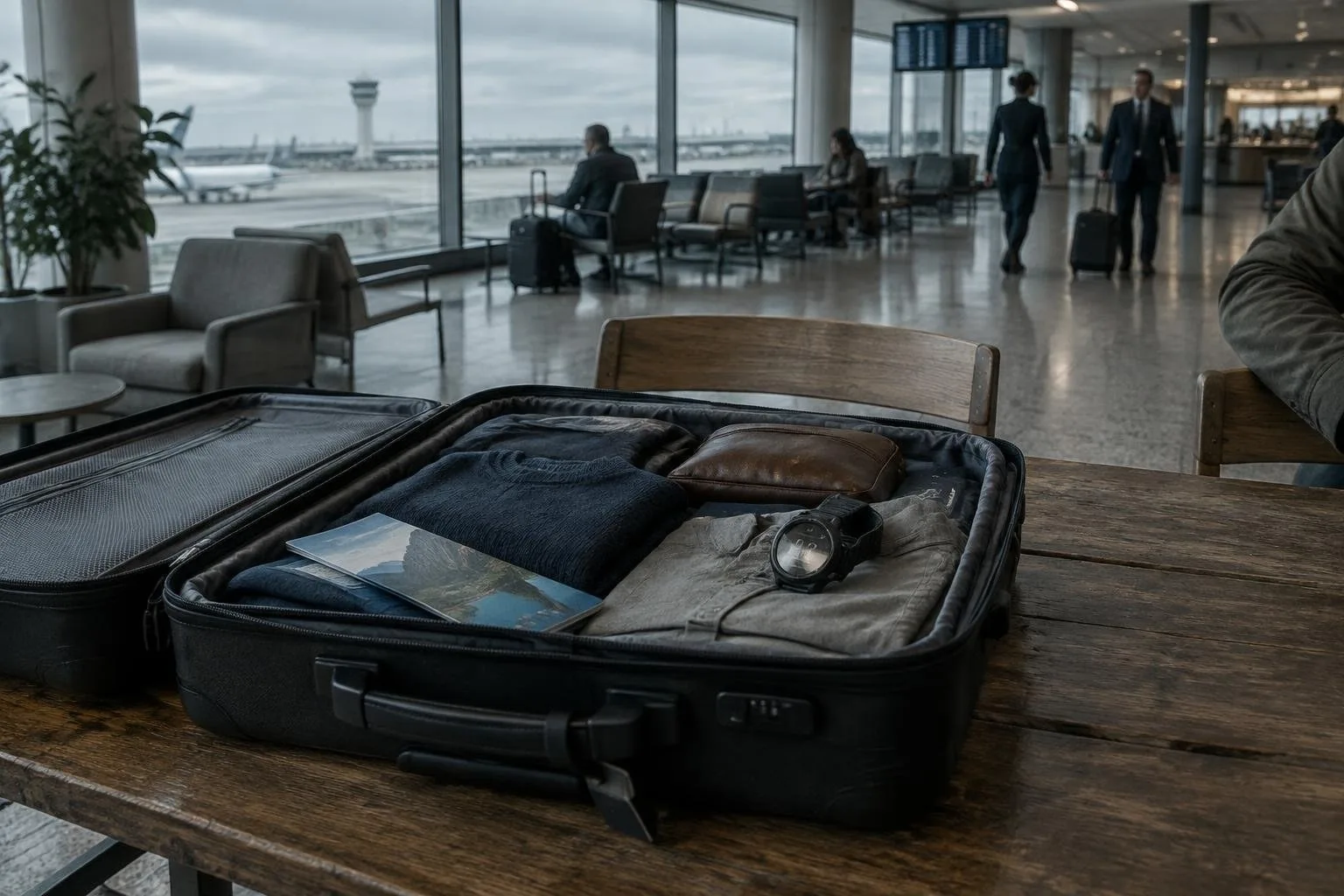
When packing for your trip, consider the activities you have planned and the weather forecast. A sample packing list could include:
- Clothing: 3-4 shirts, 2-3 pairs of pants, 1-2 dresses
- Toiletries: toothbrush, toothpaste, shampoo, conditioner
- Electronics: phone, camera, portable charger
- Travel documents: passport, driver’s license, travel insurance
Swapping Activities for Weather Changes
If the weather forecast changes, you may need to swap out some of your activities. For example, if it’s going to rain, you could visit an indoor museum instead of going hiking. Consider having a backup plan in place in case of unexpected weather changes.