Hidden behind a low brick wall in the historic heart of Sevilla, a block of more than seventy units forms a compact community. Only a handful of the doors open onto short-term rentals, while the majority belong to residents who speak Spanish, walk their dogs, or sit at a laptop each morning. A series of posted rules—such as keeping noise down and treating the old wooden doors gently—help preserve an atmosphere that feels more like a retreat than a bustling tourist hub.
From the moment we stepped out of the courtyard, the daily rhythm of the neighbourhood became evident. Neighbours greet one another with nods, an older gentleman waves from his balcony, and families converse in rapid Spanish. The surrounding streets are lined with tiny cafés and markets, all within a ten-minute walk, allowing the residents to live fully immersed in the local cadence.
The building and its neighbourhood
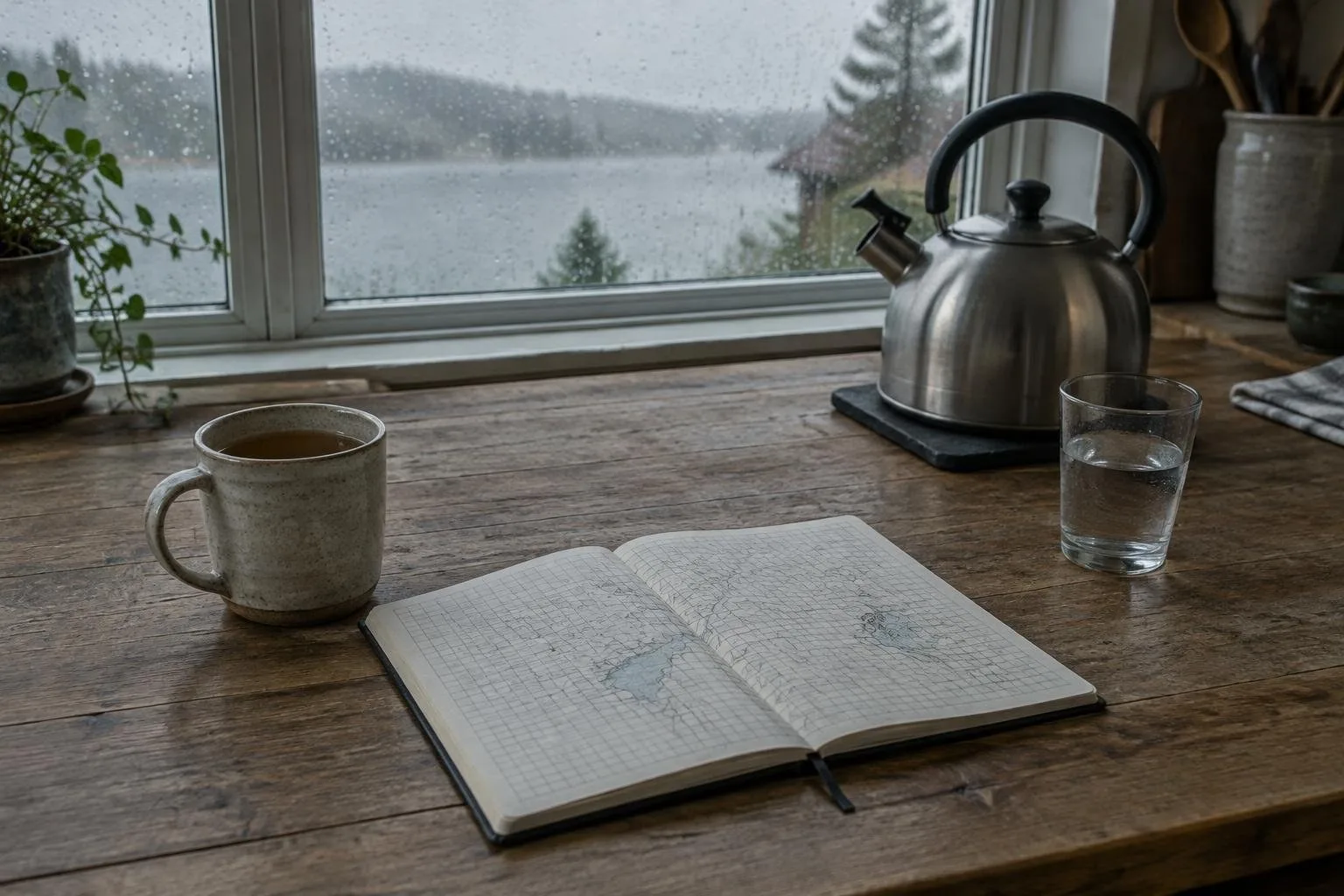
The apartment itself is modest: a compact kitchen that squeezes a fridge, a freezer, a two-burner hob, a microwave, and the usual kettle and toaster. A space-saving washing machine tucks beneath the counter, reflecting the typical European emphasis on efficiency. Compared with North-American homes, there is no oven and counter space is limited, but the layout encourages quick, simple meals. A convenience shop sits half a block away, a larger supermarket two blocks further, and vibrant markets populate the surrounding lanes, offering fresh fruit, seafood, and regional delicacies.
Signs posted in both Spanish and English remind occupants to respect silence (silencio) and to treat the creaking doors with care. This quiet policy contributes to the building’s reputation as a place where you can finally rest after a day of exploring the city’s bustling streets.
Adapting to the Sevillian daily rhythm
Our first night was a revelation: the silence in the flat allowed us to fall asleep well beyond what most city stays offer. By the next morning, a routine began to emerge that mirrors the local lifestyle. We rise around 9 am, sip a café con leche with toast or a pastel, then head out for a leisurely breakfast between 10:30 and 11 am. Lunch—often the main meal—arrives at 2 or 3 pm, followed by a sobremesa, a relaxed conversation period, and a short siesta that stretches until about 4:30 pm.
Evenings start with a light snack or tapas around 6 pm, then a full dinner around 9 pm. While many tourists retreat to their rooms after dinner, we find ourselves slipping back onto the streets for the paseo, strolling under warmly lit lanterns. The night’s entertainment kicks off around ten, and on weekends locals linger until the early hours, some returning home only after three or four in the morning.
Living like a Sevillian, whether retired or working
Although we are retired and can wander at leisure, the schedule aligns closely with that of working Spaniards. A typical worker starts the day at 8:30 am, takes a short mid-morning break, finishes the morning shift around 2 pm, returns home for a hearty lunch and a siesta, then resumes work from 5 pm to 7 pm before joining friends for drinks and tapas. Family time, meals, and the evening promenade dominate the day, just as they do for us.
Our experiment also includes regular trips to the market for fresh produce, fish, and meat. The biggest cultural adjustment has been swapping the Canadian habit of a heavy dinner for the Spanish preference of a lighter evening meal after an earlier, more substantial lunch. Embracing these changes has allowed us to feel less like visitors and more like participants in the city’s everyday flow.