
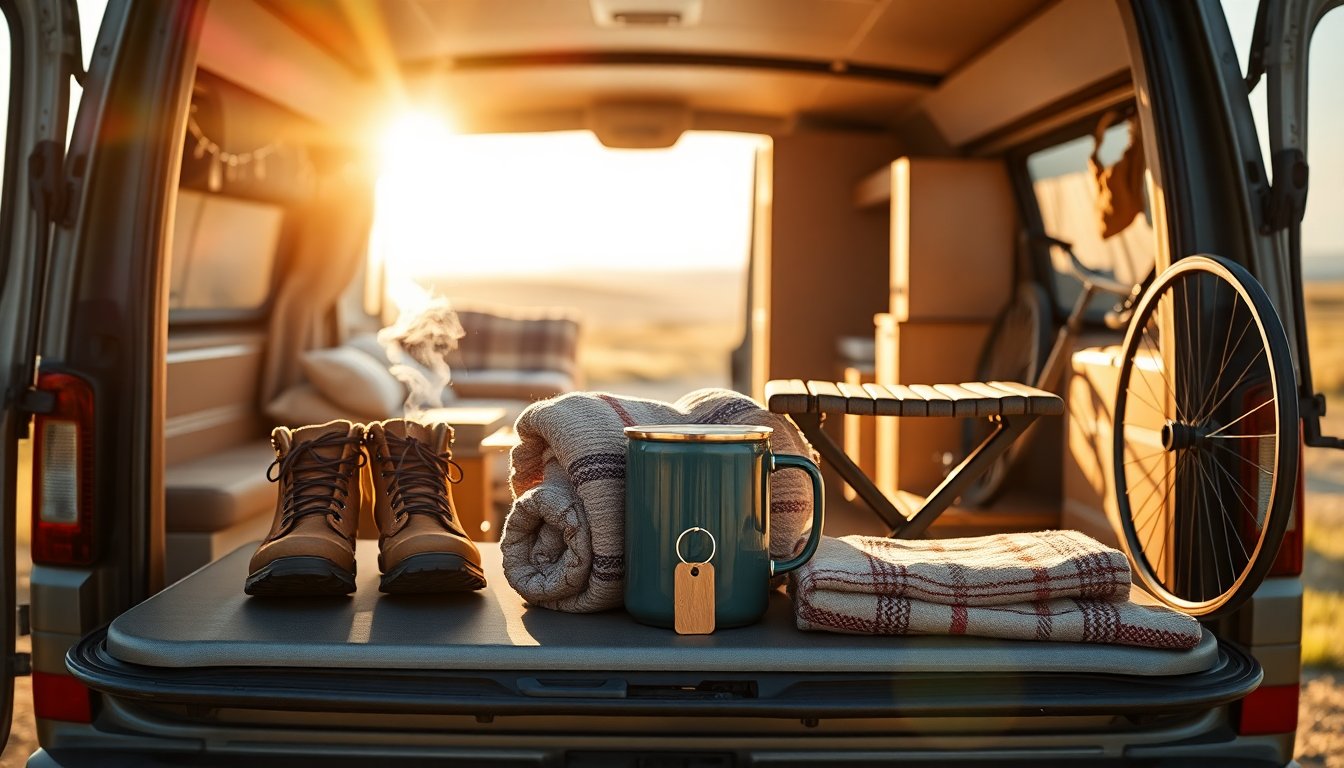
The way people travel has shifted, and a clear sign of that change is visible in the rising popularity of camper sharing among younger adults. Data from Yescapa show that in Italy more than 50% of users are aged 25-34, signaling a move away from buying a vehicle toward paying to access one when needed. This preference for access over ownership reflects broader cultural priorities: flexibility, authenticity and the freedom to change plans without the burden of long-term costs. For many under 35, the vanlife is less a lifestyle badge and more a practical way to combine travel with everyday life.
Why the new generation chooses campers
Cost and convenience play a huge role in the decision to rent rather than buy. Young travelers often prefer to avoid the fixed expenses of a vehicle that can sit unused for long periods—industry figures note an average of 295 days a year of inactivity for privately owned campers—so camper sharing becomes an attractive solution. Renting lets people pay for the experience rather than the asset, and platforms that match owners and renters have expanded supply to meet demand. Social habits matter too: about 40% of bookings are for couples, while families and friend groups also use campers to shape shared, flexible itineraries rather than relying on standard package holidays.
Practical vehicle choices
Vehicle preferences reflect how the format is being used. Compact options are particularly popular: vans account for roughly 33% of demand, while camperized vans represent about 24%. At the same time, larger models like over-cab/mansard campers still capture around 31% of bookings for travelers seeking more space. The variation shows a market adapting to different needs—urban maneuverability and stealth for younger couples, versus roomy solutions for families. The spread of these formats makes vanlife accessible to a broad range of travelers and situations.
Trip patterns: shorter, spontaneous, year-round
Trips are getting shorter and more frequent. Roughly 40% of reservations are for stays of four to six days, a format that fits long weekends, public holiday bridges and brief escapes from routine. This pattern aligns with fragmented leisure time and work arrangements that make long continuous vacations harder to plan, so travelers spread mini-breaks across the year. The concept of destagionalizzazione—travel beyond the summer season—has taken hold: bookings are growing even in months like November, January and February, proving that camper travel is not strictly a summer phenomenon.
Destinations and offbeat routes
While about 40% of trips remain in Italy, with Rome, Sicily and Sardinia among the top draws, interest abroad is rising too. Spain registered a 25% increase in demand, notably for the Canary Islands, and Portugal is also seeing growing curiosity. The appeal lies in being able to skip crowded hotspots and craft itineraries that emphasize local culture and quieter landscapes. For many young travelers, the ability to stop where they choose and adapt plans on the fly is the core advantage of camper travel, enabling more authentic encounters with regions off the usual tourist maps.
Market growth and what it means
The market dynamics underline a structural shift rather than a passing fad. From 2026 to 2026, reservations on some platforms rose by around 480%, and in 2026 alone bookings increased by about 10% compared with the previous year, matched by a similar growth in available vehicles. That expansion signals consolidation: more owners list their vehicles, platforms professionalize services, and support options like short-term insurance and roadside assistance improve. These developments make camper sharing more reliable and mainstream, encouraging even more young people to try on-the-road travel.
In short, camper travel and the modern vanlife are evolving into flexible, year-round ways to explore. With a mix of compact vans for agility and larger campers for shared comfort, and with short-stay patterns replacing the single long vacation, the trend is reshaping destinations, market offerings and how a new generation thinks about mobility. For travelers who value freedom without ownership, the road has become an inviting alternative to traditional holiday formats.


