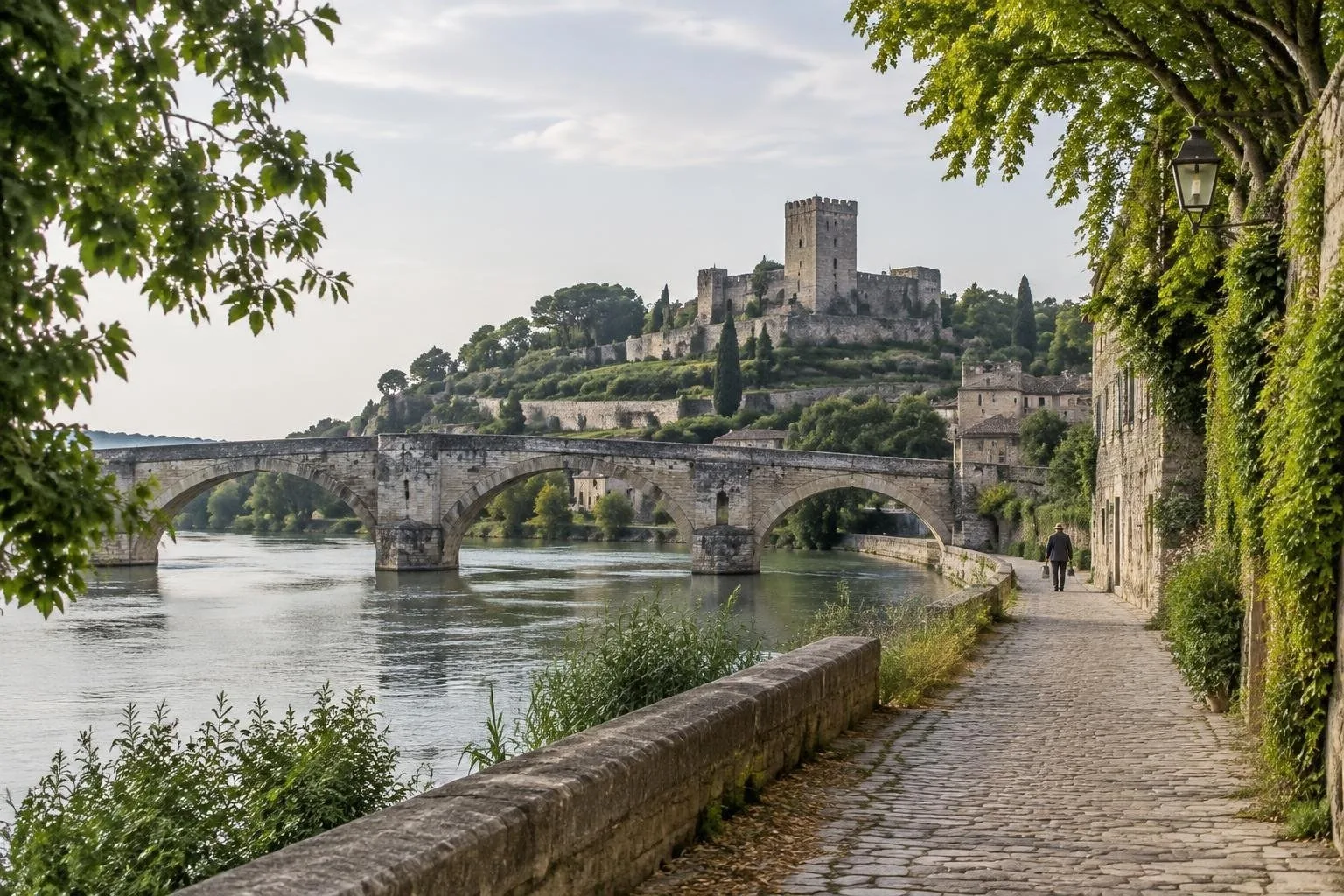
Just a ten-minute bus ride north of the bustling Avignon Festival, Villeneuve-lez-Avignon offers a quieter canvas where medieval stonework meets verdant gardens. The town’s main street, Rue de la République, is lined with boutique shops, cafés and gourmet stores, all within easy walking distance of historic landmarks. For travelers seeking a small-scale escape that blends culture, cuisine and scenic views, this riverside enclave makes an ideal base any time of year.
Beyond its proximity to Avignon, Villeneuve is emerging as a case study in the broader European shift toward sustainable city breaks. Policy makers across France, Germany and Italy are encouraging visitors to disperse away from overcrowded hubs, favouring towns that can deliver authentic experiences while protecting local life. This tiny commune answers that call with well-preserved monuments, manageable crowds and a growing commitment to eco-friendly transport and community-focused hospitality.
Top five sites to tick off in a half-day
1. Abbaye Saint-André and the Abbatial Palace – Nestled on the slope of Mont Andaon, the 13th-century abbey now houses a refined palace and lush gardens. Inside, an art gallery celebrates Gustave Fayet, the collector who rescued the site in the early 1900s. The outdoor café provides panoramic views of Avignon and the Rhône, perfect for a reflective coffee.
2. Fort Saint-André – Dominating the town’s skyline, this fortress once served the French crown to keep a wary eye on the papal enclave across the river. Visitors can wander the ramparts, explore the old prison chambers and admire graffiti etched by centuries of detainees. From the fort’s terrace, the silhouette of Mont Ventoux stretches toward the horizon.
3. Chartreuse du Val-de-Bénédiction – A five-acre monastic complex that showcases Carthusian cells, illuminated panels on monastic life, and three 14th-century cloisters. The adjoining rose garden reproduces the plantings monks tended centuries ago. A courtyard café serves light meals, and the venue sometimes hosts theatre performances during the Avignon Festival.
4. Musée Pierre-de-Luxembourg – Situated beneath the abbey, this 14th-century cardinal’s manor displays works from the Middle Ages to the 20th century, including Enguerrand Quarton’s celebrated 1453 altarpiece, the Coronation of the Virgin. The museum’s intimate rooms let art lovers linger over each masterpiece.
5. Tour Philippe-le-Bel – Built by Philip IV to guard the Rhône’s strategic crossing, the tower’s circular staircase rewards climbers with 360-degree vistas of Avignon, the river, and the rolling Vaucluse landscape. The ground floor now doubles as a flexible gallery space for festival exhibitions.
Eating, shopping and staying amid history
The town’s commercial heart thrives on independent retailers. Artisan bakeries offer freshly baked croissants, while boutique cheese shops let you sample regional specialties like picodon. For a sit-down meal, the Hortus Café within the abbey gardens serves a seasonal menu that highlights Provençal herbs grown on site.
Accommodation ranges from charming bed-and-breakfasts housed in historic mansions to modern boutique hotels that emphasize eco-certified practices. Many establishments partner with local producers, ensuring that your stay supports the very community you’re exploring.
How Villeneuve fits the new European tourism model
Recent EU tourism reports stress the importance of spreading visitors across lesser-known destinations to protect heritage sites and improve quality of life for residents. Villeneuve-lez-Avignon exemplifies this approach: its compact size makes it easy to navigate on foot or by bike, reducing reliance on cars. Public transport links—regular buses from Avignon and nearby train stations—provide low-carbon connectivity for day-trippers.
The town also benefits from emerging artificial-intelligence travel tools. AI-driven itineraries can now suggest Villeneuve as a complementary stop to the Avignon Festival, highlighting opening hours, accessibility details and real-time crowd levels. This digital assistance aligns with EU goals to make information transparent and to direct tourists toward experiences that generate genuine economic benefit for local businesses.
By choosing Villeneuve-lez-Avignon, travelers participate in a tourism model that values preservation, community welfare and environmental stewardship—all without sacrificing the rich historical tapestry that makes the region famous.