
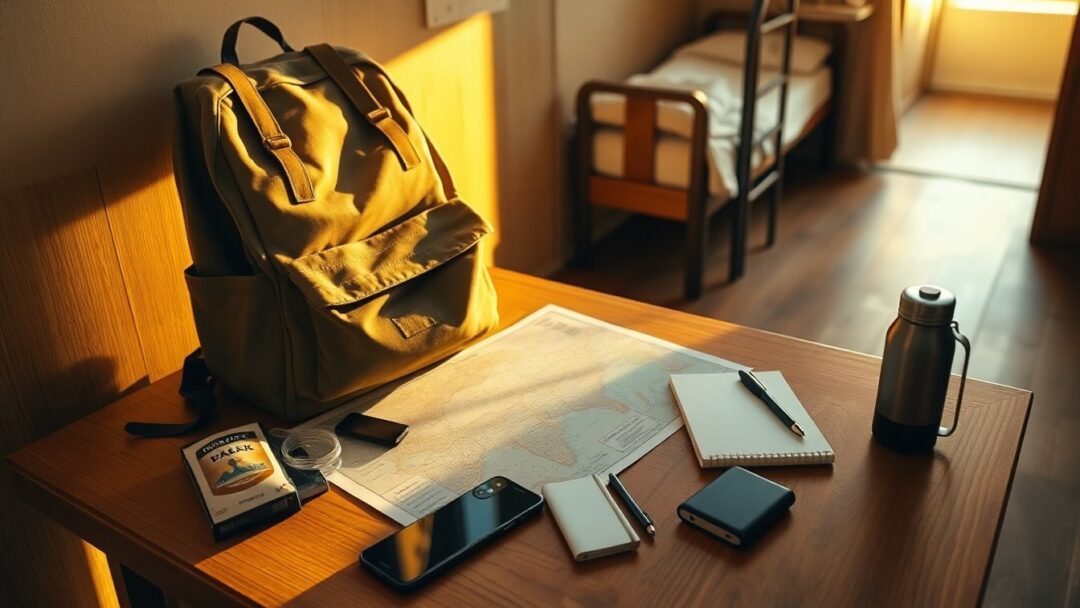
At 19 I took my first trip beyond borders: a short two-hour drive into Canada to visit a friend at college. A few months later I boarded a 17-hour flight to New Zealand and spent five weeks backpacking alone, covering more than 1,000 miles from Fiordland National Park to Auckland. Since then I’ve explored multiple continents, spent countless miles on the road in the U.S., and learned that solo travel opens doors to unexpected friendships and experiences — but it also demands a sharper focus on safety.
Solo travel rewards independence, flexibility and deep personal discovery, yet it brings challenges that traveling with companions can mask. Over nearly two decades of traveling on my own I’ve developed a set of consistent practices that balance freedom and caution. Below are the strategies I use every trip to protect myself while still getting the most out of being a solo traveler.
Keep trusted people informed
The most basic safety net I use is communication: someone always knows where I am. I share my plans with a friend, family member or partner before and during a trip and I often set a simple check-in rule: if they don’t hear from me by a certain time, they follow up. I also use my phone’s location services selectively, sharing my location with a trusted contact when I’m heading into a new area. This is more than convenience; it’s a practical safeguard that turns my independence into a team effort when needed.
Practical check-ins and location tools
Small habits make a big difference. I send a short text when I leave for a hike or arrive at a remote bus stop and I sometimes make a quick call while walking through a city so someone knows I’m moving. I think of location sharing as an optional safety layer: useful in places with good reception and less reliable where cell coverage is patchy. Even when a phone won’t save you, having a named person who knows your plans can speed up help in an emergency.
Prioritize power and connectivity
Technology plays a central role in modern solo travel, but its benefits rely on battery life and service. I keep a charged phone, a reliable power bank and adaptors on hand for international outlets; when I drive I carry a car charger. Access to GPS and emergency apps radically reduces stress, so I avoid traveling alone in places with consistently poor reception. That doesn’t mean I never go off-grid, but it does shape how I plan: short hikes from a populated trailhead, or car camping where I can still reach emergency services.
Devices and backup plans
Along with chargers I pack duplicates of critical info: digital copies of IDs, reservations and emergency contacts stored offline. In regions I’ll be longer I consider a local SIM or an international plan to maintain data. These layers — power, connectivity and redundant documentation — make it far easier to handle minor problems before they become major ones.
Choose routes, timing and lodging with safety in mind
Not every destination is equally comfortable for a solo traveler, and I don’t pretend otherwise. I intentionally picked New Zealand for my first long solo stint because it felt welcoming and easy to navigate. Today I screen neighborhoods, avoid areas with recurring safety warnings, and keep a practical rule in the car: try not to let the fuel gauge fall below half. I treat that half-full rule as an insurance policy on long stretches of road where gas stations are scarce.
I also alter my behavior: I rarely advertise that I’m alone, I limit solo exploration at night, and I generally avoid camping alone in remote places. Camping with friends or opting for well-connected sites where car camping is possible lets me enjoy outdoor time without the added vulnerability of being isolated and unreachable. Above all, I follow my instincts. If a situation feels off I remove myself, even if it means cutting plans short — experience has taught me that a cautious exit is always preferable to regret.
Over the years I’ve learned from mistakes — spur-of-the-moment decisions that worked out and others that didn’t. Those lessons shaped a balanced approach: I plan enough to manage risk but leave room for spontaneity. The result is a travel style that preserves independence while protecting well-being, letting me keep exploring at 36 and beyond.


