
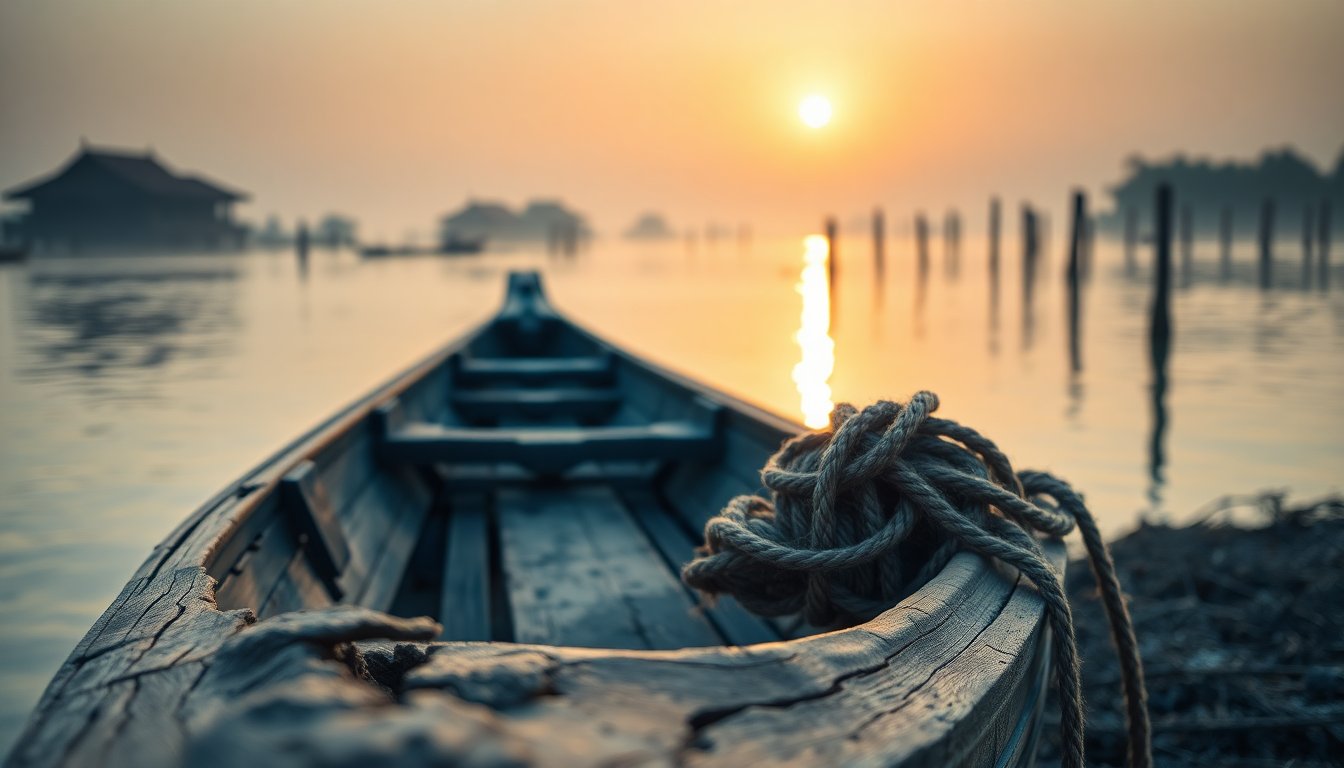
After spending several days moving around the country, it becomes clear that Cambodia is much more than a single archaeological complex. The Angkor temples are undeniably spectacular, but they represent just one chapter in a longer, more varied story. Venture away from the well-trodden circuits and you’ll find calm seaside settlements, expansive inland waters and provincial towns where everyday life unfolds at an easy pace. These quieter options are ideal for travellers who want to combine iconic monuments with low-key experiences that reveal how locals live.
Traveling overland and taking your time is a simple way to access those layers. Long drives between destinations offer unhurried views of rice plains, orchards and small roadside communities. Visiting a market, stepping onto a floating village platform or watching a local circus show provides fresh context beyond guidebook blurbs. Small detours and unexpected stops reward patience and a willingness to explore beyond the main tourist hubs, turning a short trip into a richer, more memorable journey.
Seaside discoveries: Kep, Sihanoukville and the coastline
The Cambodian coastline is compact but varied, and each shoreline town has a different character. Kep is a mellow, seafood-focused retreat best known for its fresh crab and its unpretentious harbourfront. A visit to the crab market—where fishermen, cooks and families converge—is a sensory highlight: the aromas, the chatter and the simple charcoal stalls make for an authentic meal. By contrast, Sihanoukville caters to those who want a classic beach-resort experience, with a wide range of bars, restaurants and hotels clustered along sandy bays. Both places illustrate different seaside appeals: one intimate and culinary, the other busier and amenity-rich.
Rivers, lakes and rural life: Battambang and Tonle Sap
Inland, the atmosphere shifts to verdant plains and slow-moving waterways. Battambang feels like a large town with a provincial heartbeat—ornate yet understated temples, shady streets and agricultural scenery that invites slow exploration. The town’s local circus and friendly cafes are perfect for relaxed afternoons. Nearby, the Tonle Sap basin dominates livelihoods for thousands of people. Seeing the floating village communities on the lake gives insight into how water shapes food supply, transportation and family life. Both regions reward travellers who prefer observation and local encounters over busy itineraries.
Unique transport and memorable experiences
One of the more unusual ways to connect with rural Cambodia is by trying its idiosyncratic modes of travel. The bamboo train is essentially a light wooden platform fitted with a motor that coasts along disused rails—an eccentric, exhilarating ride that illustrates local ingenuity. Likewise, taking overland journeys with a driver and guide opens up incidental stops: a roadside fruit stall, a hilltop view, a lunch under a tree. These simple choices turn transit time into an element of the trip rather than a necessary inconvenience, and often reveal scenes that are absent from aerial itineraries.
Siem Reap and the enduring draw of Angkor
Even while exploring offbeat locations, it makes sense to include Siem Reap and the Angkor temples on your plan. The temple complex is a cornerstone experience—grand, intricate and historically profound. Beyond the monuments themselves, Siem Reap offers lively markets, varied restaurants, budget-friendly massages and a welcoming hospitality scene that makes it a comfortable base. For many travellers, a few nights in Siem Reap are the logical core of a trip that then branches out into other provinces.
Practical tips for planning a short multi-stop trip
If your schedule only allows a long weekend, prioritise the Angkor temples and one nearby destination. With an extra few days, build in a coastal stop or a visit to Tonle Sap and Battambang to balance iconic sights with daily-life encounters. Travelling by road with a local driver increases flexibility and creates photo opportunities and spontaneous meal stops. For tailored itineraries, consult experienced travel specialists who can design a bespoke trip that matches your pace—whether you prefer cultural highlights, culinary discoveries or relaxed seaside time.


