
The television adaptation of The House of the Spirits arrives on Prime Video and leans heavily on place to give the story texture and believability. Based on Isabel Allende’s bestselling novel (published in 1982), the series follows the Trueba family’s fortunes across generations while folding in national upheavals. Viewers are invited to trace personal drama and political change through real streets and designed environments alike, where the interplay between authentic locations and constructed sets reinforces the show’s themes of memory, power and resilience.
Shot primarily in Chile, the production — with Executive Producers including Isabel Allende and Eva Longoria — chose settings that echo the novel’s social contrasts and turbulent history. The narrative, which features mystical moments associated with magical realism, also charts the family’s life up to and through the aftermath of the 1973 upheaval. The release plan is staggered on Prime Video: the first three episodes are available on 29 April 2026, with new episodes arriving weekly on Wednesdays until the finale on 13 May 2026.
Why Santiago matters to the story
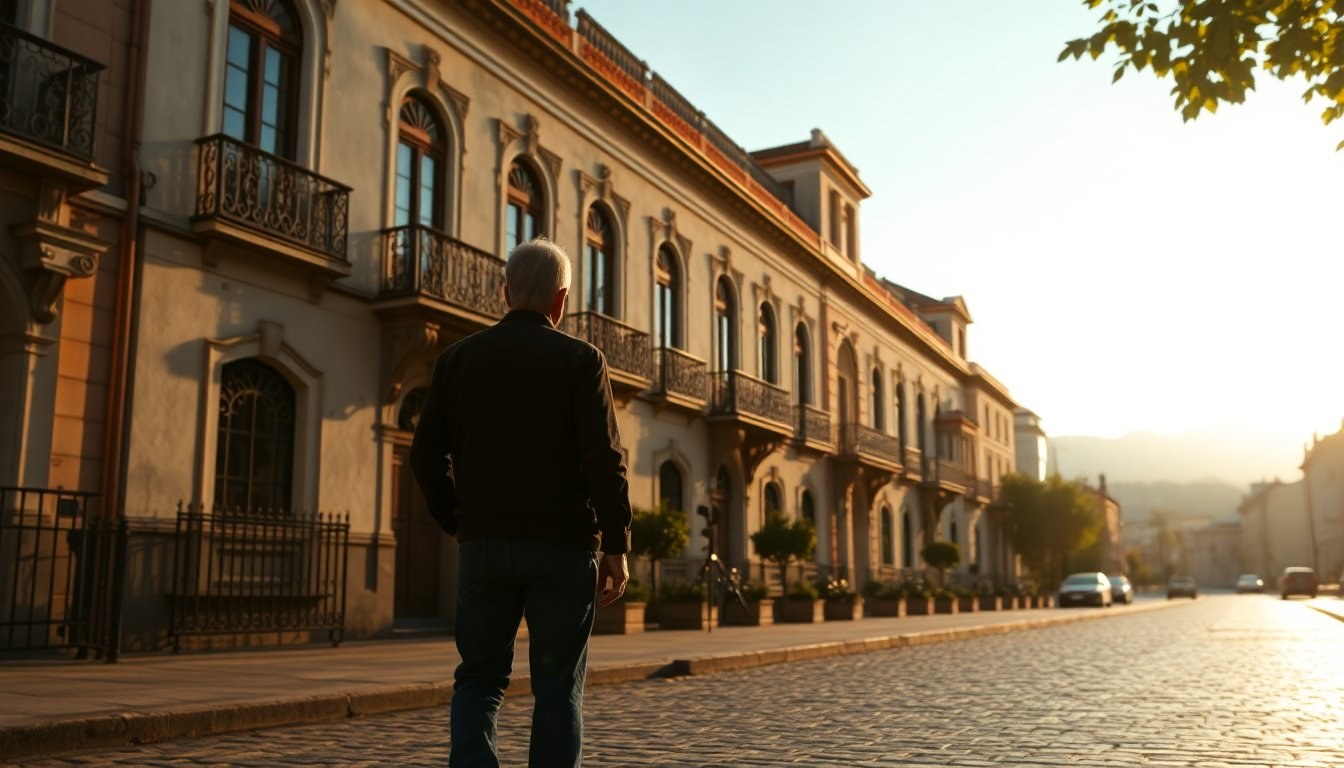
Santiago functions as more than a backdrop; it acts as a living element of the drama. The capital’s layered identity — historic neighborhoods, modern expansions and working-class districts — mirrors the social tensions depicted in the series. Filming in Santiago allowed the production to capture the rhythms of urban life, the contrasts between privilege and hardship, and the visual details that anchor a period drama in a specific place. For a saga that spans decades and social change, the city’s streets and plazas provide context that studio sets alone could not replicate.
Neighborhoods and landmarks featured on screen
Several recognizable locations around Santiago appear in the adaptation, blending tourist-friendly corners with historic architecture. One notable example is Barrio Lastarria, a district known for its independent bookstores, pavement cafés and cultural scene; these textures fit scenes where characters negotiate everyday life and social transformation. The production also filmed at landmarks with ornate facades and public presences, such as the Palacio Bruna, whose renaissance-inspired ornamentation and storied past offered the right visual tone for elite interiors and official settings.
How neighborhoods reflect character arcs
In the series, places function as shorthand for class and memory: a crowded market street can signal popular unrest, while a manicured palace interior suggests entrenched privilege. The show-makers used real neighborhoods to stage encounters that reveal the characters’ social positions and emotional states. Scenes shot in Barrio Lastarria, for example, underscore cultural renewal and generational shifts, while grand buildings like Palacio Bruna frame moments of authority and conflict. Together, these locations map the Trueba family’s climb, losses and the country’s changing landscape.
From novel to screen: sets, cast and historical roots
The family home at the center of the story — the titular house that stores secrets and spirits — was recreated as a dedicated set rather than relying on a single historic residence. According to production notes and viewer sleuthing, parts of that set were constructed abroad, with some reports pointing to locations in Portugal used to stage the estate’s interiors and grounds. The cast includes Alfonso Herrera as Esteban Trueba, Dolores Fonzi as the adult Clara, Fernanda Urrejola as Blanca and Rochi Hernández as Alba; their performances link personal drama to the broader national story that anchors the novel.
Historical echoes behind the drama
Allende’s original book grows out of memory and family history; she began drafting it on 8 January 1981, and it blends intimate recollection with the public record. On screen, the narrative keeps that interplay alive by situating family events alongside unmistakable political moments — including the climate that led to the military takeover on 11 September 1973. The series preserves the novel’s mix of love, violence, political strife and supernatural sensibility while using locations to make the historical layers tangible for viewers worldwide.


