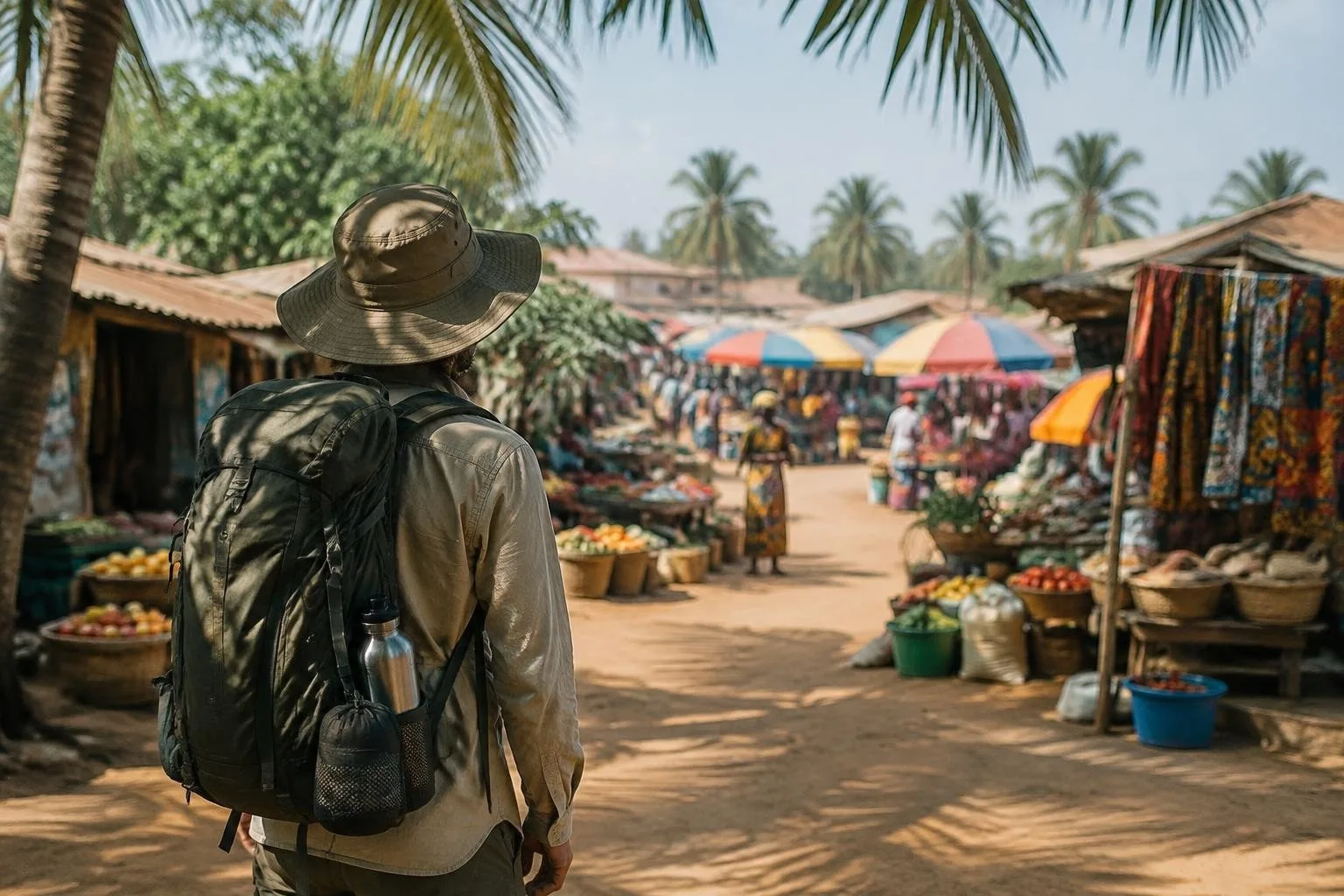
Traveling through Burkina Faso and Côte d’Ivoire offers vibrant cultures, bustling markets and unforgettable landscapes. Yet the region also presents health challenges that vaccines cannot fully prevent. By adopting smart habits and preparing ahead, you can enjoy the journey while keeping illness at bay.
Preventing insect bites and related illnesses
Mosquitoes, ticks and fleas are common carriers of diseases such as malaria, dengue and rickettsial infections. To minimize exposure, always cover exposed skin with long-sleeved shirts, long pants and a hat. Apply a DEET-based repellent containing at least 20% concentration, or alternatives like picaridin, oil of lemon eucalyptus or IR3535. Treat clothing, boots and tents with permethrin, but never apply the chemical directly to skin. Sleeping in air-conditioned or screened rooms, and using a bed net when outdoors, adds extra protection.
If you are bitten, avoid scratching to reduce the risk of secondary infection; a dab of hydrocortisone cream or calamine lotion can soothe irritation. After any outdoor activity, inspect your body for ticks and remove them promptly with tweezers, gripping close to the skin and pulling straight out. Although bed bugs do not transmit disease, keeping luggage sealed and inspecting hotel bedding helps prevent these nuisances.
Staying safe in hot and sunny environments
Heat-related illnesses, especially heat stroke, can develop quickly in the Sahelian climate. Drink water regularly, supplement with salty snacks, and wear loose, lightweight clothing. Limit vigorous activity during the hottest part of the day, typically 10 a.m. to 4 p.m. and seek shade whenever possible. Apply sunscreen with a minimum SPF of 15, wear protective clothing, and reapply the lotion every two hours. High elevations and reflective surfaces such as sand or water can intensify UV exposure, so extra precautions are advisable during beach or river trips.
When travelling to cooler highland areas, layer garments to retain warmth and protect extremities. A hat, gloves and insulated footwear guard against cold-induced injuries, especially during night-time excursions where street lighting may be limited.
Water safety, animal encounters and germ protection
Freshwater sources in both countries can harbor schistosomiasis parasites and other pathogens. Avoid swimming in lakes, ponds or rivers that are not chlorinated, and always use designated swimming zones guarded by lifeguards. When swimming in the sea, respect flags and avoid diving in shallow water. Wearing shoes on beaches reduces the risk of stepping on animal waste or hidden insects.
Wild animals, particularly dogs, bats, monkeys and snakes, may carry rabies or other zoonotic diseases. Do not feed or touch unfamiliar animals, and keep pets under close supervision to prevent contact with local wildlife. If you are bitten or scratched, wash the wound thoroughly with soap and water, seek medical attention immediately, and inform the clinician of the incident. Carry a card in the local language indicating your blood type, chronic conditions and medication list.
Medical preparedness and safe transportation
Before departure, compile a list of reputable hospitals and doctors in your destination cities. Review your health-insurance policy for overseas coverage, and consider purchasing travel medical and evacuation insurance: critical for severe injuries where local facilities may lack intensive-care capabilities. Pack all prescribed medicines, including a full course of antimalarial tablets, in their original containers; some countries restrict import of certain drugs.
Transportation safety is equally vital. Opt for official taxis, reputable bus services or trains, and always wear a seat belt. Avoid motorcycle taxis, which have a high accident rate, and refrain from driving after consuming alcohol. If you must rent a vehicle, secure an International Driving Permit and confirm that your auto-insurance extends to the region. Flying on larger aircraft during daylight hours reduces exposure to weather-related risks.