
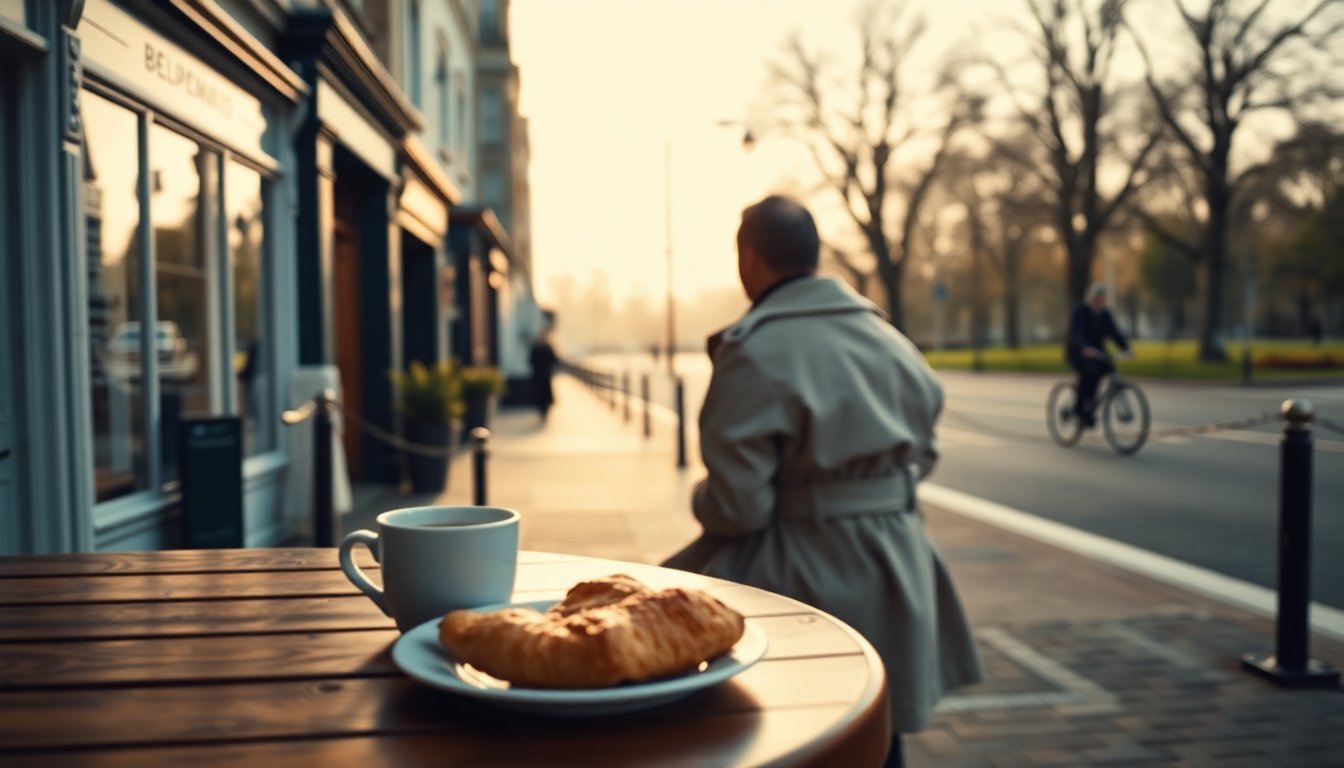
The area commonly called Wimbledon is best known around the world for its annual sporting spectacle, yet the neighbourhood has much more to offer when you step away from the courts. This guide presents a calmer, more local view of the district: how to arrive, where to linger, and what to see when you prefer green spaces, independent shops and neighbourhood history over the crowds. The emphasis here is on a leisurely pace — think strolls across wide grassland, coffee in a small café and detours to quiet museums rather than a rush through a tick‑list of attractions.
Think of this piece as a practical companion for a day out or a short stay. It highlights the best parts of the area that sit within easy reach of the station and can be enjoyed without a ticket to the Wimbledon Championships. Wherever you choose to start, the neighbourhood is compact and mostly walkable, with a mixture of leafy streets, market spaces and public grounds that change character with the seasons. A comfortable pair of shoes and a relaxed schedule are the two best items to pack.
Getting here and choosing where to stay
Wimbledon is well served by both Underground and National Rail connections from central London, making it a practical base for visitors who want a quieter place to stay without losing easy access to the city. Accommodation ranges from boutique hotels and guesthouses near the green spaces to larger, well‑connected chain hotels closer to transit hubs. If you prefer to wake up in a residential atmosphere, opt for lodging near the Common or the Village; if convenience is your priority, pick somewhere nearer the station. Wherever you rest your head, local cafés and evening options in the Village are usually a short walk away.
Green spaces and the character of the Common
The heart of Wimbledon’s distinctive pace is its open ground. Wimbledon Common covers a large area of shared land that feels unexpectedly spacious in a city context. Walking across the Common gives a sense of escape: stretches of grass, wooded paths and ponds that invite slower exploration. The land is a long‑standing public resource and part of the neighbourhood’s identity, used for everything from casual picnics to longer rambling routes that extend towards neighbouring heathland.
The windmill and small landmarks
Halfway through your walk you might come across the old windmill, a compact landmark dating back to the early nineteenth century that now houses a small collection and offers a tangible link to the area’s past. This is the kind of stop that adds texture to a stroll rather than dominating an itinerary: a short detour, a photo opportunity and a quiet moment away from busier streets. These small features are part of why visitors often say Wimbledon feels more intimate than you might expect from a place with such a famous event.
Walking routes and wildlife
For those who enjoy wildlife or long‑distance walking, the Common provides a pleasant network of paths where you can spot birds, small mammals and seasonal plants. The terrain is varied enough for a relaxed afternoon ramble and offers several picnic spots. Whether you want a gentle loop that returns you to the Village for lunch or a longer walk that heads towards adjacent green spaces, the area rewards time on foot and a willingness to wander off the main roads.
Wimbledon Village, culture and visiting during the tournament
A few minutes’ walk uphill from the station, Wimbledon Village is where the neighbourhood tightens into its village identity: independent shops, cafés and restaurants gather on narrow streets beneath mature trees. Mornings here often start slowly, with locals drinking coffee outside when the weather allows, while afternoons are given over to relaxed lunches and browsing. Even during the tournament, when crowds swell, the Village reveals quieter side streets that keep a calm rhythm and provide lovely places to stop for food or a short break.
Local history and creative corners
The area’s history is visible in small museums and repurposed industrial sites. A local museum traces the growth of the suburb from rural past to London neighbourhood, while nearby creative spaces on the River Wandle host craft shops, studios and markets on former industrial sites. These pockets of culture add depth to the area: they complement the green spaces and village streets and make it easy to assemble a day that mixes nature, food and a little local learning without needing to visit the tournament grounds.
Finally, if you arrive during the tournament and don’t hold a courtside ticket, there are still plenty of ways to soak up the atmosphere. Public screens, informal watch areas and convivial spots in the Village and on the Common let you share in the event from a distance. Conversely, a visit outside the event weeks offers a version of Wimbledon that’s quieter, more local and often more rewarding for those who enjoy small discoveries and slow travel.


