
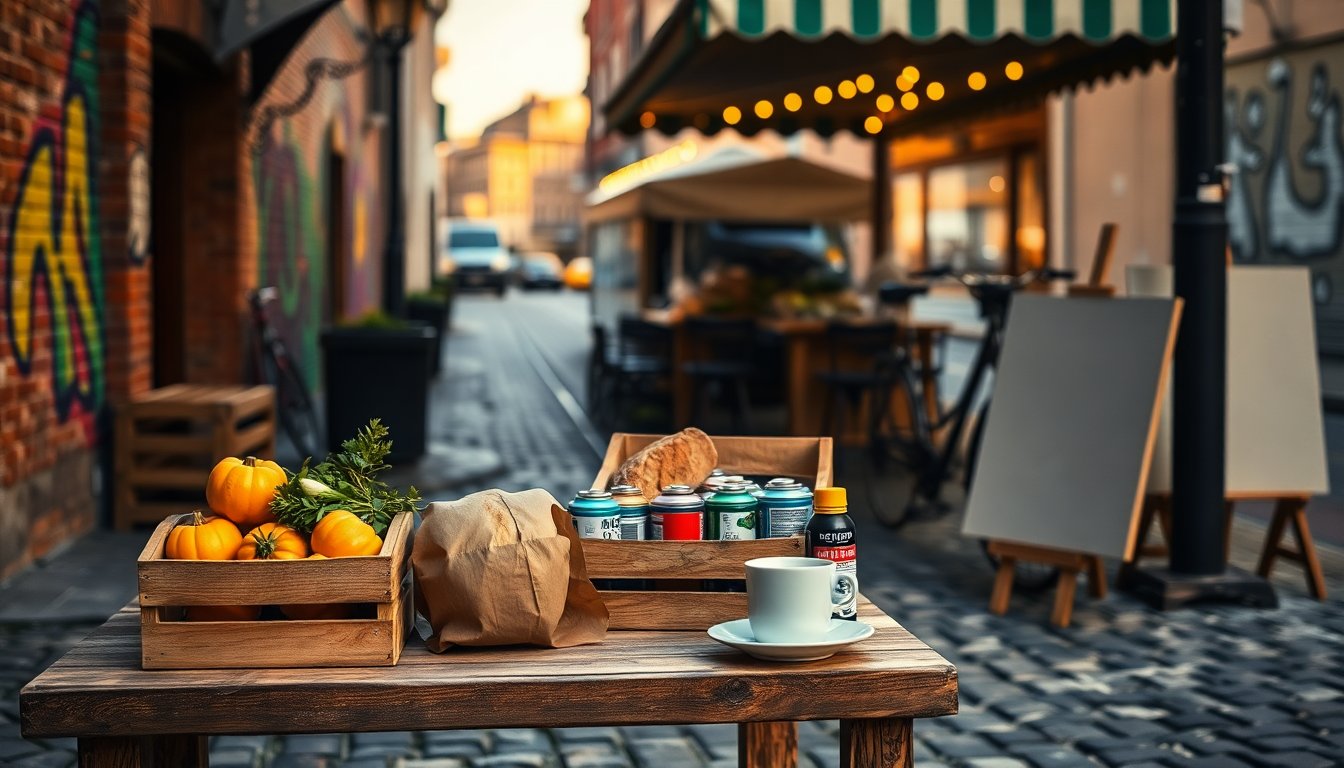
The district of Lend in Graz has been through a dramatic reinvention. Once dismissed by the city’s wealthier quarters as “the other side” with its trade-road bustle and nocturnal reputation, Lend today stands out as one of Graz’s most energetic neighbourhoods. This piece outlines the places, events and creative initiatives that make Lend special, and points out practical highlights like tours and visitor benefits such as the Graz Card.
Visitors and locals alike now celebrate Lend’s mix of independent shops, global restaurants, second-hand finds and community-led activities. That cultural turn is part of why Graz is a UNESCO City of Design, but the area’s revival has also brought changes and some gentrification. The tone here aims to capture both the district’s design-driven landmarks and the grassroots projects that preserve its character.
Why Lend matters
From rough edges to design recognition
Lend’s transformation is rooted in architecture and public art that arrived with Graz’s cultural surge. The district hosts signature works and experimental projects that contributed to the city gaining UNESCO City of Design status. While those projects attracted international attention, they didn’t erase the neighbourhood’s everyday life: small grocers, workshops and cafés kept the area lived-in and authentic. The result is an urban mix where high-profile design and local traditions coexist, and where visitors can sense both innovation and community memory on the same street.
Community initiatives and the festival spirit
At the heart of Lend’s social life is a strong volunteer network. The Lendwirbel association runs an annual festival and operates as a community hub that campaigns for inclusive public spaces. Their headquarters doubles as a shop for locally made goods, helping to keep craft and creativity visible. That community energy is mirrored in regular events such as open-air salsa sessions and market gatherings that animate squares from morning to late evening.
Signature sights and cultural spaces
Murinsel: the island bridge
The Murinsel is a compact architectural statement floating in the Mur River. Conceived for Graz’s 2003 cultural year by artist Vito Acconci, it functions as a bridge, island, gallery and café in one. Built with curved steel and glass, the structure was designed to accommodate changing water levels and quickly became a local favourite despite early controversy. Walk its covered passages, sip coffee on tiered terraces, and appreciate how a small island can reframe the river and link Lend to the Inner Stadt.
Kunsthaus, the friendly alien and sonic art
The Kunsthaus, nicknamed the “Friendly Alien,” is an immediately recognisable contemporary art museum by Sir Peter Cook and Colin Fournier. Its rounded, glassy silhouette and rooftop appendages view the city like a whimsical sentinel. Entry is free for Graz Card holders, and a public elevated platform offers sweeping vistas toward the Schlossberg. Outside, hear Time Piece Graz, an original sound work by Max Neuhaus that punctuates the building with a curious sonic signature.
Markets, parks and the creative pulse
Bauernmarkt Lendplatz, Mariahilferplatz and Volksgarten
The Bauernmarkt Lendplatz is Lend’s everyday social stage: morning vendors sell seasonal produce like apples, pumpkin seed oil and wild berries, while afternoons see terraces filling with locals enjoying food and drink. Try the regional sturm, a young fermenting wine available in autumn, and stop at V-Vau for Styrian specialities. Nearby, Mariahilferplatz hosts concerts and the lively Christmas market and sits beneath the twin towers of the 17th-century Mariahilferkirche, whose tucked-away courtyard rewards quiet exploration. The leafy Volksgarten follows the remaining course of the Grazer Mühlgang, an old mill channel, and serves as the final gathering point for the city’s Pride festivities.
Street art, Raum117, Smart City and Helmut List Halle
Lend’s creative scene spills onto walls and into reimagined factories. The collective Raum117 curates much of the district’s street art and opens warehouse events when possible, while mural programs since 2026 have invited local and international artists to rework façades near the train station and on Daungasse. Projects such as the Kaiserschild Walls of Vision draw on museum collections to inspire public murals. At the district edge, the Smart City demonstrates sustainable construction methods with geothermal and photovoltaic systems, and underneath stands the Helmut List Halle, a converted factory prized for its acoustics and performances. Nearby, the old Johannes Hornig I coffee factory—founded in 1912—now wears art as a public canvas.
Other practical notes: guided experiences like Discover Graz’s Lust and Vice tour explore Lend’s layered history, and there are street art tours that map the murals in more detail. The Schell Collection, a quirky museum of caskets and locking mechanisms, offers discounts for Graz Card holders. This article was written during a blogging residency hosted by Graz Travel Deeper; as always, the views expressed are my own.


