Our return from Canterbury to London was supposed to be routine: a quick hop onto a London-bound service, a swift transfer at Kings Cross, and a night in the capital. A sudden signal failure at Canterbury shattered that plan, causing us to miss the scheduled connection. An attentive LNER employee rebooked us on the 13:30 service, but the relief was short-lived; the train soon became another victim of a larger technical problem.
While the train chugged south, the staff announced a “de-wiring” issue centred on Northallerton. In railway parlance, de-wiring means the loss of the high-voltage overhead supply, effectively removing power from the whole east coast Main Line. The consequence was a complete shutdown of electric traction between Peterborough and the north, leaving our carriage stranded for several hours at Peterborough station.
The de-wiring fault that halted the East Coast Main Line
Engineers identified a fault in the overhead line equipment near Northallerton, where a section of catenary had collapsed and taken the main power feed offline. The incident, described by staff as a “major fault”, forced all electric units on the route to stop. Replacement bus services were discussed, prompting many passengers to search for hotels or rental cars. Our own husband, a railway enthusiast, refused to abandon the train, noting that the bi-mode capability of an approaching service could offer an alternative.
During the wait, a Geordie train manager provided regular, albeit vague, updates: “nothing new to report”. The silence underscored the scale of the disruption, as even diesel-powered services struggled to navigate the power-less section. Passengers imagined the iconic Azumas pounding through the countryside like metallic caterpillars, yet the reality was a long, stationary platform and a spreading sense of inconvenience.
Bi-mode traction: the flexible solution
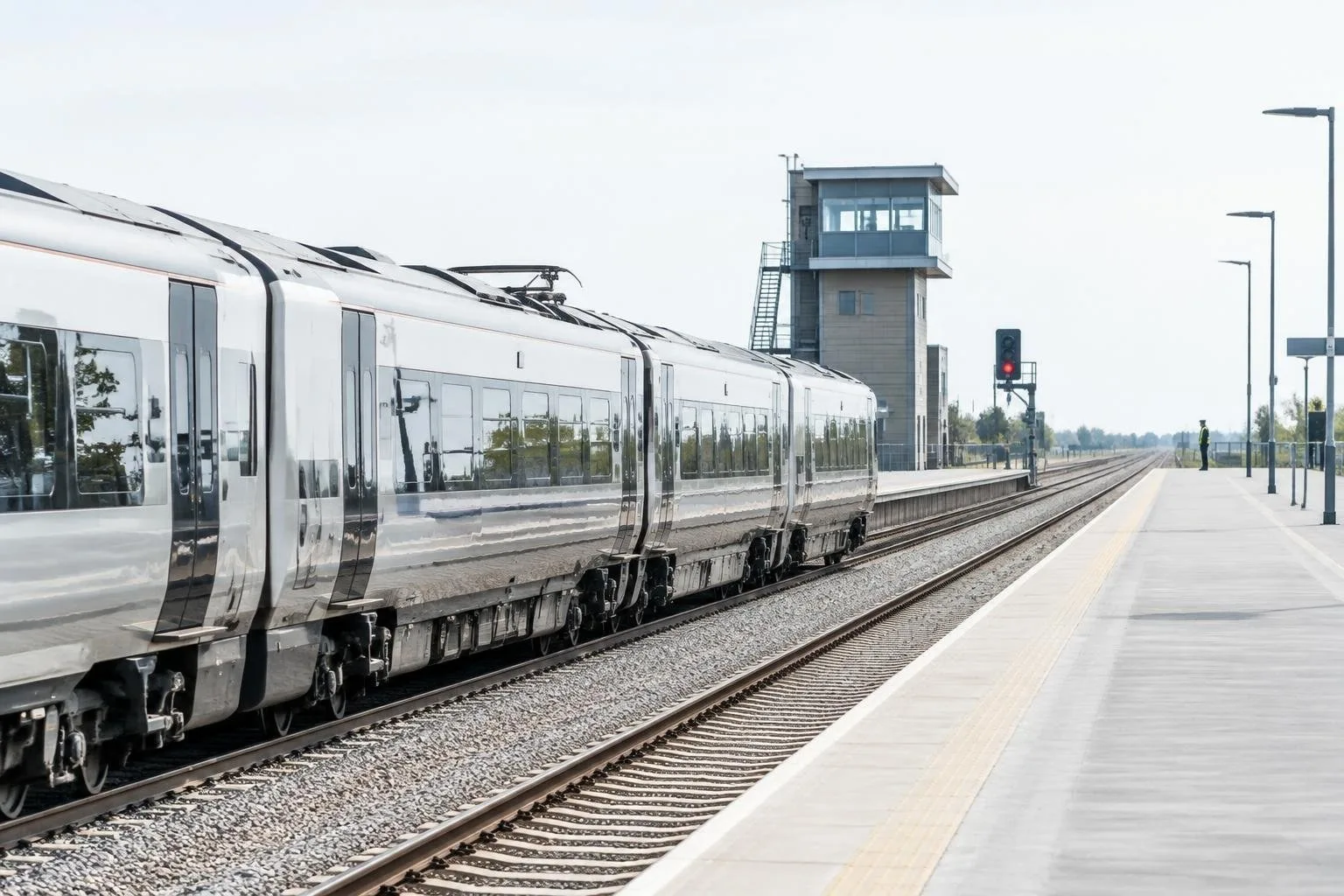
At approximately 15:30, a service bound for Aberdeen arrived. This train featured bi-mode traction, meaning it can operate under electric power where the catenary is live and switch to diesel where it is not. Our husband correctly inferred that the train would not be forced to terminate at York and abandon passengers to a replacement bus. The manager confirmed the plan: the train would proceed northward, using diesel engines to bridge the de-wired gap.
Bi-mode units are designed for exactly such contingencies. They carry both a pantograph for drawing electricity and an onboard diesel generator, allowing seamless transition between power sources without stopping. In our case, the train continued past Peterborough, traversed the powerless stretch, and reached York before finally heading to our intended destination. The overall delay amounted to four hours: a relatively modest setback given the scale of the fault.
Lessons for weekend rail travellers
The episode highlights two practical points for anyone planning a short rail outing. First, awareness of the train’s propulsion type can influence decisions when an outage occurs; bi-mode or hybrid units provide a safety net that pure electric services lack. Second, staying informed through official channels, even when updates are minimal, helps manage expectations and avoid unnecessary last-minute arrangements such as booking a hotel or a car hire.
Beyond the immediate drama, the experience reinforces why many commuters still prefer rail over road or air. Trains offer spacious seating, the freedom to walk the aisles, and the ability to bring personal food and luggage without strict weight limits. Moreover, traveling by rail produces far fewer carbon emissions than flying, making it a more sustainable choice for weekend getaways.
In the end, our journey turned from a frustrating delay into a useful reminder of the resilience built into modern rail networks. The combination of diligent staff, adaptable rolling stock, and patient passengers turned a potential disaster into a manageable four-hour detour, allowing us to finish the day only slightly later than planned.