
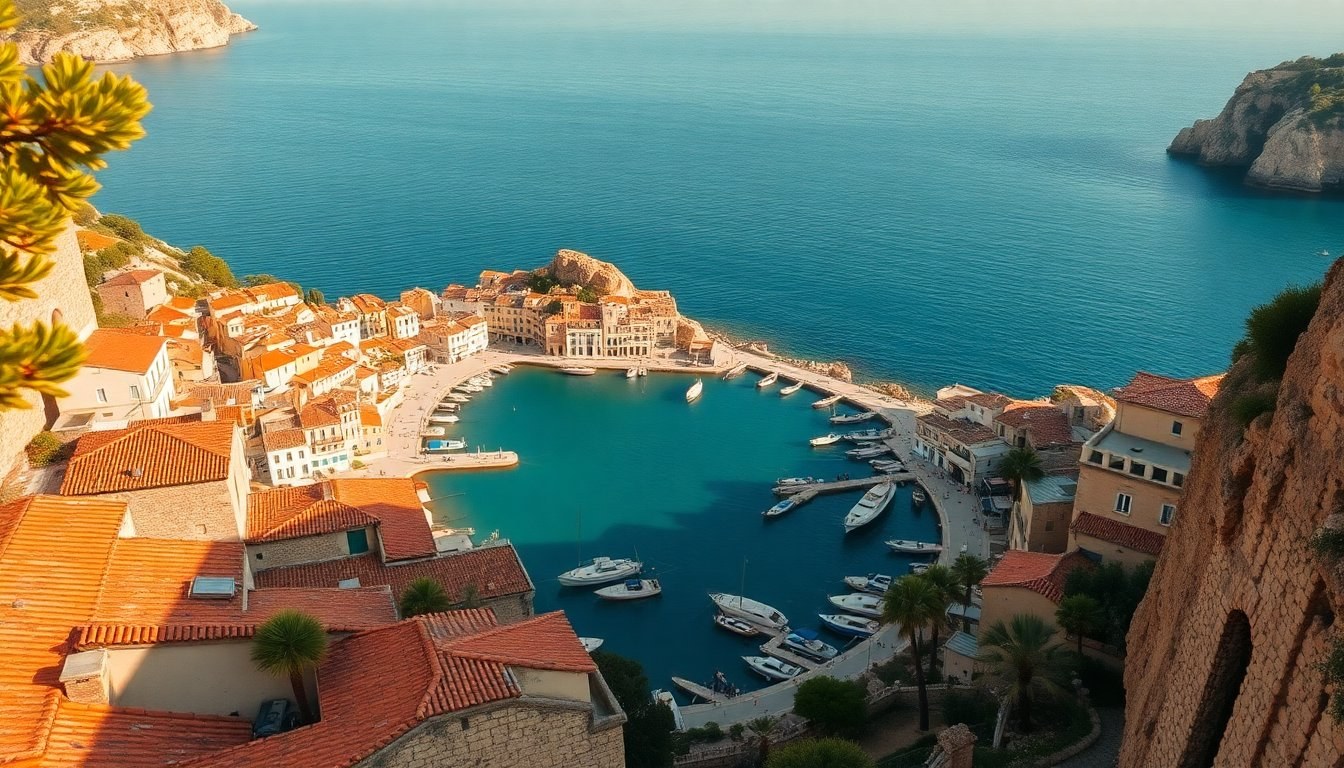
I arrived in Mallorca with low expectations and left utterly convinced that this island deserves more than its package-tour reputation. After a reluctant first trip prompted by someone else’s timetable and a family connection who insisted the island was more than hotels, I found myself returning repeatedly. The weather here can be wonderfully mild even outside the high season, and the island’s contrasts — from bustling Palma to quiet fishing ports — make it a versatile destination. In this guide I share the practical choices and memorable moments that pushed me from skepticism to affection for Mallorca, focusing on quieter spots and real experiences rather than big resorts.
These notes are meant for travelers who want to explore on their own terms: drive twisty coastal roads, linger in market squares, try local wine and push past the postcard beaches to secret coves. I include suggestions for where to stay, how to get around, and activities that reveal Mallorca’s variety. Where useful I name hotels and excursions I personally used, and I flag experiences like the hot air balloon flight and the old Palma–Sóller train that offer different perspectives on the island.
Getting around: why a car changes the trip
Public transport in Mallorca is perfectly usable: there are buses and trains that link towns, and many hotels offer airport shuttles. But if you want to reach small coves, mountain viewpoints and villages on a flexible schedule, renting a car is a practical choice. I rented through Auto Europe because it was the cheapest option when I shopped around, and having a vehicle turned many accidental detours into discoveries. I often took spur-of-the-moment turns down narrow lanes to find quiet bays or tiny plazas, and the freedom to stop for photos or a coffee made the pace far more enjoyable than a fixed itinerary.
Alternatives and local tips
If driving isn’t possible, consider the scenic Palma–Sóller train for a charming inland route, or guided transfers and excursions that combine transport and activities. Hitchhiking also seems surprisingly easy on the island; locals and visitors alike report short waits and friendly rides. For some winery visits and coastal adventures, private tours include pickup so you can taste local wines without worrying about driving back.
Towns and stays: city life, fishing ports and mountain charm
Palma is a natural place to begin: its cathedral, narrow lanes and neighborhoods give a Spanish city feel that contrasts with beach resorts. I enjoy the Santa Catalina quarter for its market, the Mercat de Santa Catalina, and lively restaurants tucked into pretty streets. Accommodation ranges from affordable options like Mallorca Suites to stylish choices such as Brondo Architect Hotel, and more upscale picks like Sant Francesc Hotel Singular and Nakar Hotel if you want a splurge. Spending several nights here helps you blend city time with coastal exploring.
Cala Figuera, Colonia de Sant Pere and mountain bases
For quiet seaside character, I favored the working port of Cala Figuera, where mornings come alive with fishing boats and evenings are calm. I stayed at Hostal Can Jordi for the views and simple local rhythm; a water-front upgrade option is Hotel Villa Sirena. On the quieter northeast coast, Colonia de Sant Pere provided relaxing poolside mornings at Hotel Solimar and great sunsets. For mountains, Sóller makes an excellent base; the town’s square and old wooden tram are charming, and the nearby Port de Sóller can be skipped if you prefer quieter streets.
Activities and highlights: sea caves, drives and hidden beaches
Adventure options on Mallorca suit many levels. For an aerial view, an hour-long hot air balloon sunrise or sunset flight feels surprisingly calm and reveals the island’s patchwork landscape. On the water, choose a yacht cruise or a jet-ski trip to change perspective. If you want something active, a guided sea caving excursion explores caverns and coastal formations over a half-day, while coasteering — a mix of scrambling and short swims along cliffs — is great for those comfortable with exposure and sea jumps.
Two drives stand out: the road to Sa Calobra delivers dramatic hairpin bends and a canyon opening to a pebble beach, a route that many find as thrilling as famous mountain passes back home. The western coast from Sóller offers quiet rocky coves and sunsets near the Cap de Pera Lighthouse. For beaches, the sands inside Mondragó Natural Park and the hike-descended cove of Calo des Moro are must-visits; the Es Pontàs arch is a striking natural feature near Cala Figuera.
Other memorable stops include the writers’ village of Deia, the terraced slopes of Banyalbufar, and the pilgrimage complex of Santuari de Lluc set in the Tramuntana Mountains, a UNESCO site. Small towns like Santanyí, Montuiri and Artà reward slow wandering, and unexpected local moments — from an ice coffee in Petra to a friendly meal at Restaurant Es Mollet in Colonia de Sant Pere — often become the trip highlights. For practicalities: a clinic visit in Pollença once impressed me with swift public care and inexpensive prescriptions, a reminder that useful services are spread across the island.
Whether you want relaxed beaches, dramatic drives, village cafés or active sea adventures, Mallorca offers more than its resort stereotype. If you’ve been, add your favorite spots; if not, consider this as a blueprint for a more curious, quieter Mallorcan escape.


