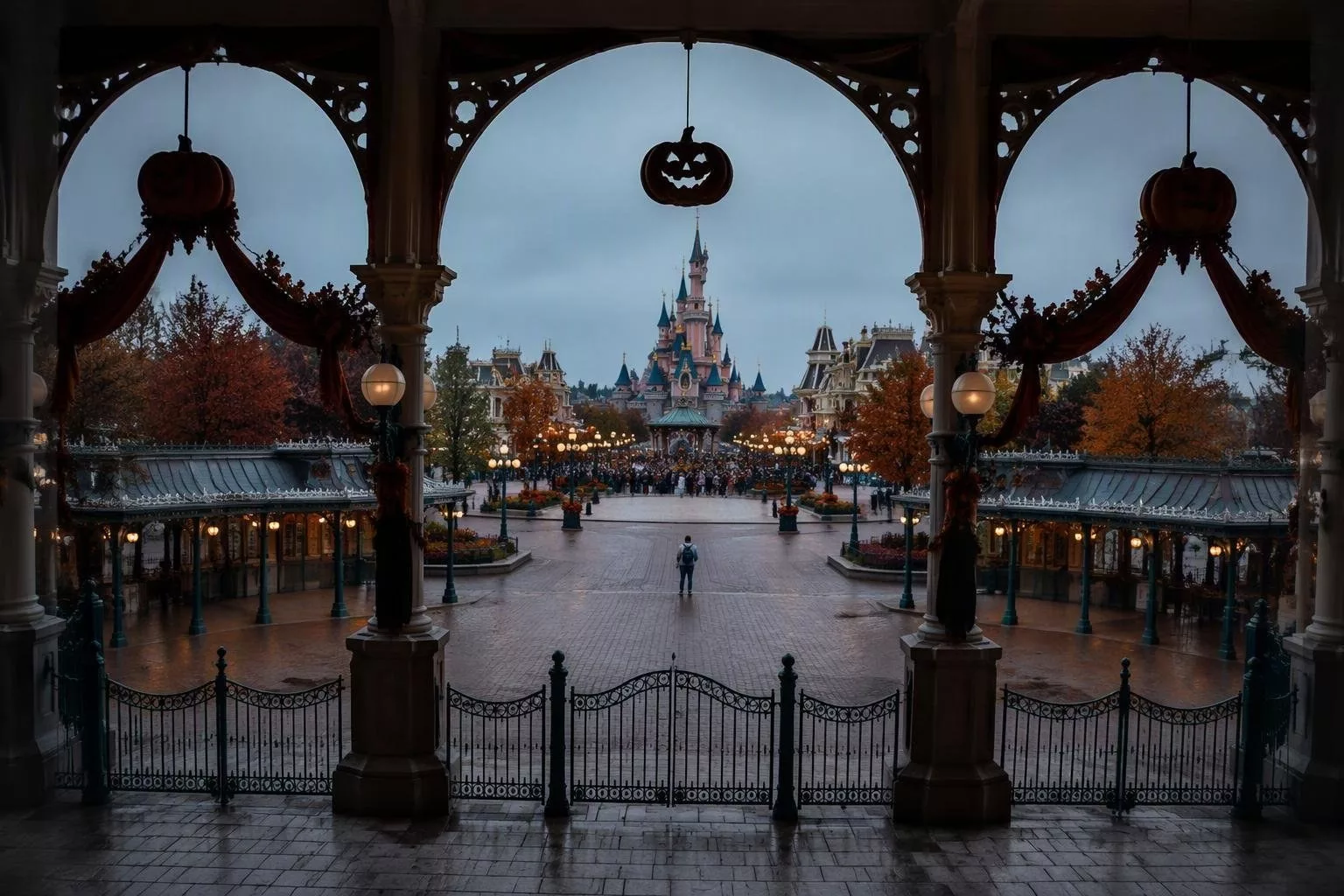
Disneyland Paris stopped admitting arriving visitors on 3 October 2026 when both Disneyland Park and the newly reopened Disney Adventure World reached their permitted legal maximum at the resort in Paris, France. Thousands of families, Annual Passholders and tourists who arrived without dated reservations were turned away at the turnstiles despite hearing park soundtracks and seeing the illuminated castle from outside.
The closure mattered because the parks were hosting the month-long Disney Halloween Festival that began on 26 September and runs through 1 November and because the former Walt Disney Studios Park was relaunched as Disney Adventure World earlier in the year, adding new lands that amplified demand. The enforced limit illustrated how a mix of seasonal programming, new attractions and international travel patterns compressed demand into high-traffic days, prompting stricter entry controls and operational enforcement.
Who was involved and what happened at the gates
The affected parties included visitors holding undated single-day tickets, Annual Passholders, travellers expecting to purchase at the gate and guests with dated tickets who nevertheless faced uncertainty because the park had reached its ceiling. On the day in question, the resort’s booking calendar showed all undated-ticket slots blocked and on-site teams were instructed to refuse walk-up sales when the system flagged the parks as full at around 09:00 local time. The repurposed Walt Disney Studios Park now branded as Disney Adventure World and Disneyland Park both filled to permitted limits, producing locked turnstiles and queues extending beyond the gates.
Why attendance surged: festival, new attractions and international visitors
The surge began with the launch of the Disney Halloween Festival on 26 September which added themed décor, villain meet-and-greets and special fireworks that run until 1 November. Demand was further elevated by the rebranding of Walt Disney Studios Park as Disney Adventure World the introduction of flagship areas including World of Frozen and the refreshed attraction slate that produced long wait times for showpiece rides. Promotional ticket campaigns and bundled hotel offers also concentrated visitor flows on a limited number of high-traffic weekends.
International tourists played a major role in the crowding. Roughly 44 percent of the resort’s guests are domestic while 56 percent travel from abroad. The renewed appeal for families from the United States was notable: more than five million Americans visited France in the year prior, a 17 percent increase from 2024 contributing to transatlantic demand for autumn short-breaks at the resort.
Operational rules, consumer options and executive remarks
Disneyland Paris operates a compulsory online reservation system that links every ticket to a specific date; undated tickets and some Annual Passes required pre-registration and the resort did not sell tickets at the gate on the day in question. The reservation platform automatically blocks further bookings when the daily quota is reached, and on-site staff were following those operational controls when they denied entry to arriving visitors without a confirmed date. The resort advised prospective visitors to check the online availability calendar and secure dated tickets or hotel packages that include admission guarantees.
Disney’s chief financial officer, Hugh Johnston warned about the balancing act between attendance and experience, saying parks are “filling up pretty well,” and indicating that future growth would depend on price realization and managed capacity. The company signalled continued investment in new rides and experiences through 2029 while tightening operational controls to avoid overcrowding and preserve guest experience.
Numbers, refunds and legal context for turned-away guests
Historical attendance figures provide context: in 2024 the two parks attracted about 15.8 million visitors, a number that had been climbing even as debates over crowd density continued. For guests who were denied access despite holding tickets, French consumer law frames tickets as contracts governed by local regulations; refunds are generally offered subject to standard terms and conditions and affected travellers can pursue claims through French courts under contract jurisdiction clauses and limitation periods. The resort emphasised that having a dated ticket or a qualifying hotel package was the most reliable guarantee of entry during peak days.
Operational monitoring tools that adjust availability in real time based on crowd density and staffing levels were reported to have flagged both parks as full on 3 October 2026 effectively locking the reservation calendar for the remainder of the day. The gate closures on that date reinforced an ongoing shift toward pre-planned, date-specific entry for popular travel periods and newly expanded attractions at Disneyland Paris.
Ultimo aggiornamento: 5 October 2026