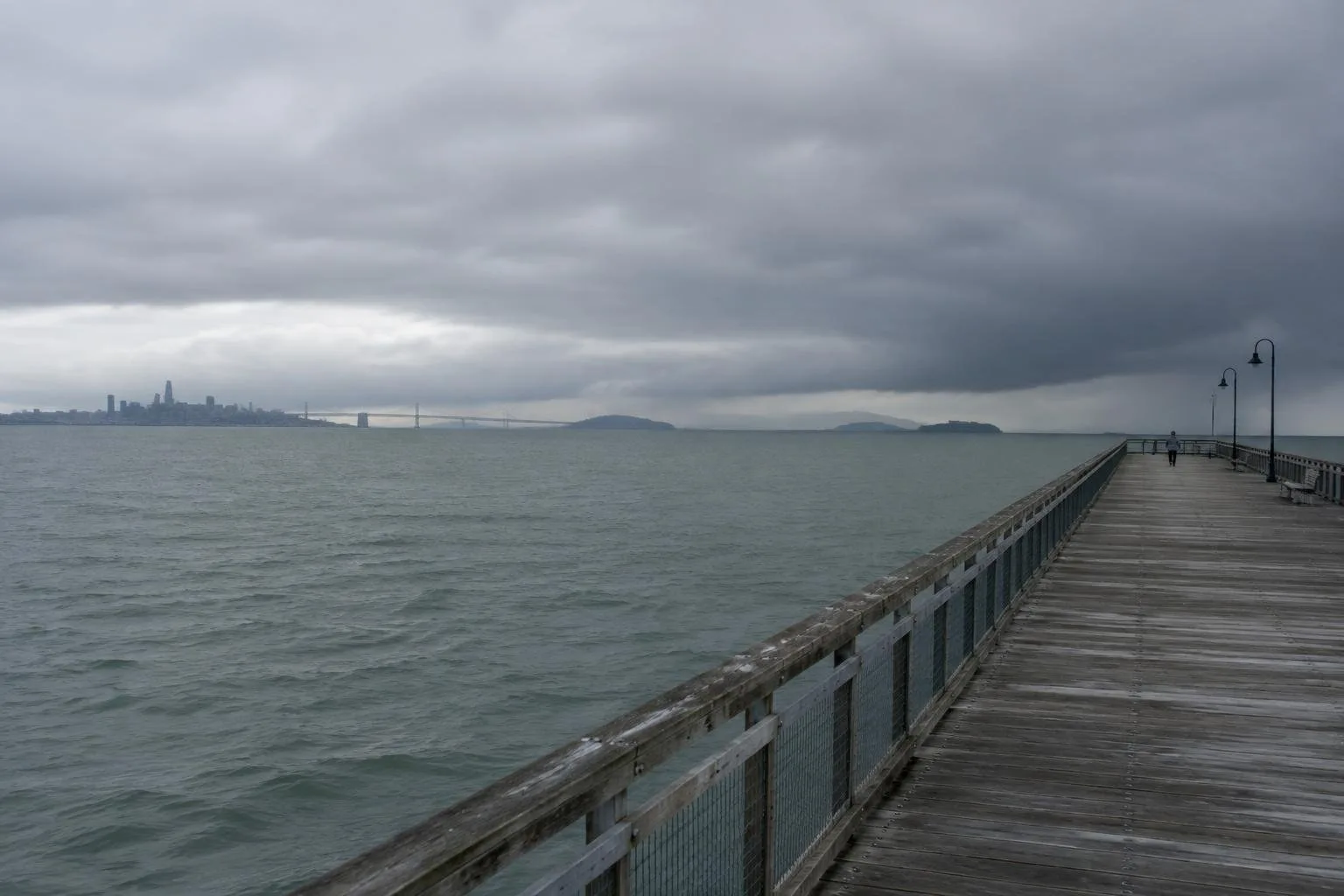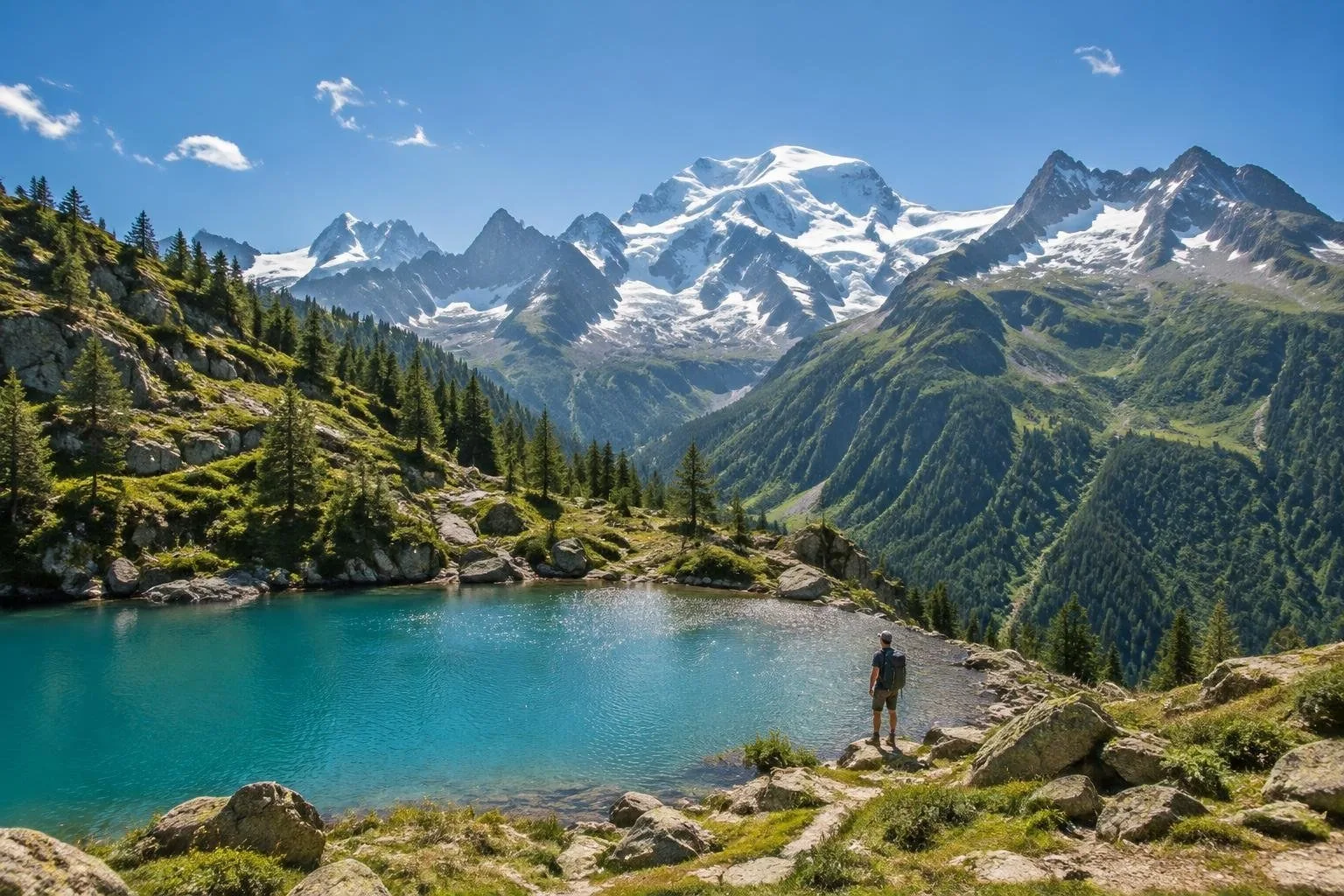
For years, the view of Mont Blanc reflected in the turquoise waters of Lac Blanc has been one of the Alps’ most sought-after images. However, the sheer volume of people chasing this postcard-perfect scene has pushed the local authorities to act. Chamonix is preparing to implement a strict daily cap on visitors for the area surrounding Lac Blanc and the neighboring Lacs des Chéserys, marking a significant shift in how high-altitude tourism is managed in France.
The initiative was presented by François-Xavier Laffin, the mayor of Chamonix elected in March. If all necessary permits are secured, the French commune will become the first in the Alpine range to experiment with this type of visitor limitation. The goal is not just to protect the fragile ecosystem but also to improve the quality of the hiking experience, which has deteriorated under the weight of mass tourism.
The Impact of Overtourism on the Reserve
The popularity of Lac Blanc stems from its privileged position facing the Mont Blanc massif. Accessibility plays a major role: hikers can take a cable car to the Flégère sector, followed by a two-hour walk to reach the lake. Social media amplified this trend, spreading photos of the azure waters surrounded by snow-capped peaks. Consequently, visitor numbers have more than doubled since 2020. In 2025, the reserve recorded approximately 130,000 presences, with peak days seeing up to 4,000 hikers.
This influx has taken a visible toll on the environment. Constant foot traffic accelerates soil erosion, damages vegetation, and creates unauthorized trails. Abandoned litter along the paths disturbs wildlife, altering the natural balance of the protected area. The impact extends beyond ecology; it affects the social fabric of the town. Many residents avoid the zone during summer months, while tourists themselves often leave disappointed. According to Christian Schwoehrer, director of the body managing the reserve, a survey indicated that 55% of Lac Blanc visitors felt let down by their experience due to overcrowding.
New Booking Rules and Daily Quotas
To address these issues, Chamonix is looking to the Mediterranean for inspiration. Since 2022, the Calanques National Park near Marseille has required reservations for access to vulnerable areas. Mayor Laffin intends to replicate this model in the mountains. From June to, anyone wishing to visit Lac Blanc or the Lacs des Chéserys must book entry through an online platform. This reservation generates a QR code that hikers must show to staff at control points.
The daily limits will vary throughout the season. Authorities plan to start with 600 entries per day in June, gradually increasing the quota to between 900 and 1,000 in subsequent months. The restricted zone covers approximately 193 hectares. These rules apply broadly, including trail runners, those staying in refuges or tents, and even local residents, who currently have no exemptions. Eight environmental guards will monitor key access points to enforce the limits. While fines are possible for those arriving without a reservation, officials emphasize preventive communication to ensure hikers know the rules before they hit the trails.
Access to the reserve itself remains free, as does the mandatory booking. Costs continue to apply only to transport infrastructure. The cable car from Les Praz to Flégère, which lifts hikers to 1,877 meters, will maintain its standard ticket prices, though rates may be adjusted before the summer 2027 season begins.